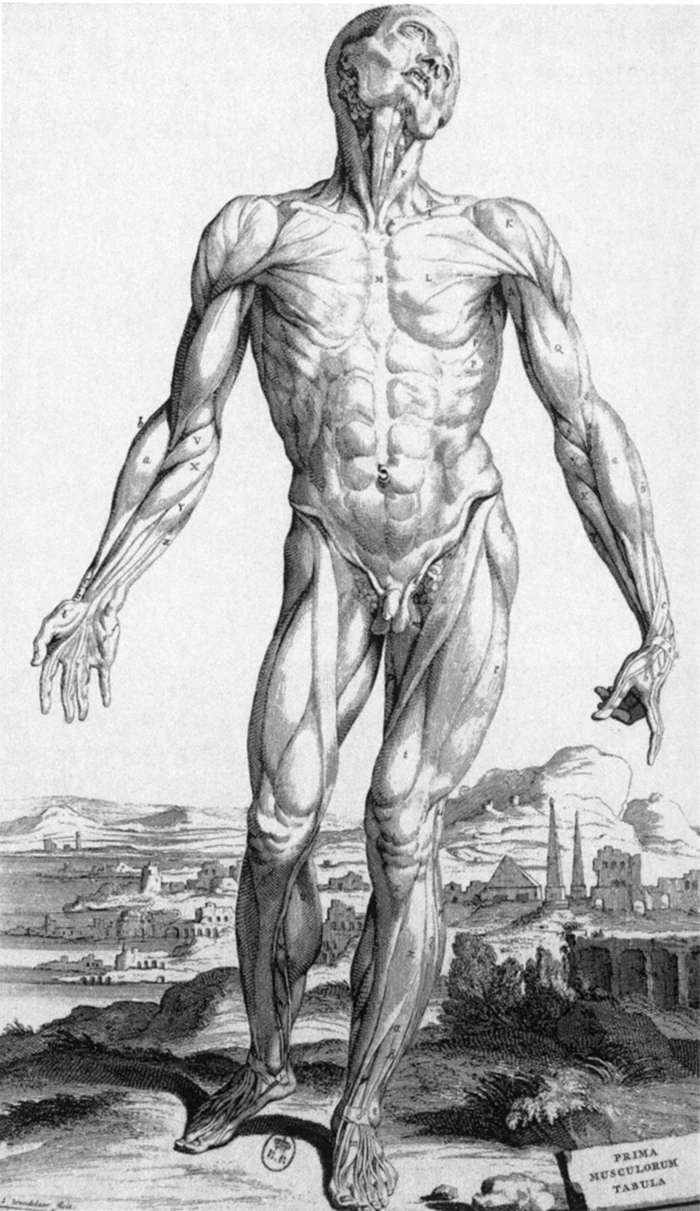
 In “Art and Science,” a short article in a collection of essays titled The Roving Mind, science-fiction writer Isaac Asimov argues for the close relationship between the fields of art and science. He cites several examples of fruitful interaction between artists and scientists, concluding that some things can be admired as both products of science and works of artistic beauty.
In another essay in the same volume (“Science and Beauty”), Asimov debunks the myth that science “sucks all the beauty out of everything, reducing it all to numbers and measurements!” (113). On the contrary, he argues, scientific understanding contributes a greater appreciation for the limitless beauty of the natural world. Scientific exploration can enhance aesthetic contemplation.
In both these articles, therefore, Asimov bridges the gulf in many academic institutions between the natural sciences and the fine arts.
Discussion Questions:
- Describe the interplay of art, science, and our understanding of the human anatomy. Can you think of other similar examples that Asimov does not cite?
- When contemplating whether photographs in the McGraw-Hill Yearbook of Science and Technology should be admired as products of science or works of artistic beauty, Asimov concludes, “it doesn’t matter; the two are the same” (“Art and Science,” 119). This bold declaration needs explication! How would you explain what he’s trying to say?
- At a liberal arts university like ACU, fine arts majors will take chemistry classes and physics majors will take art classes. After reading the articles (and doing your own thinking), how would you defend this practice to someone who thinks fine arts and physics students would be better served taking classes more directly related to their majors?
Join the Conversation
We welcome comments on this or other related topics on the main Spotlight page
Return to Mike Wiggins’ Spotlight page