Case Brief
Steven J. Brice
Abilene Christian University
BIBM 603.01
Foundations of Theology
Professor Johnson & Thompson
December 9th, 2011
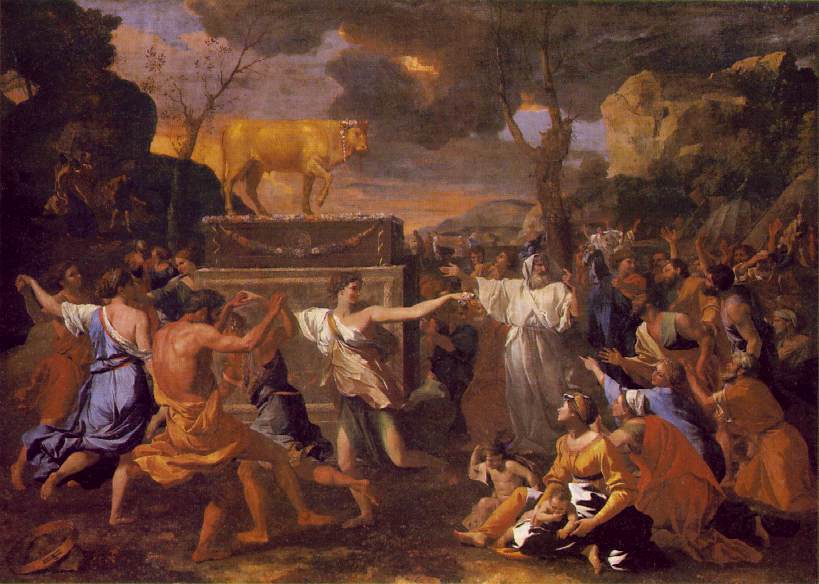
A Common Crisis in a Congregation regarding Change
The decision for a faith community to change in order to be relevant within their communal context has become a common crisis among congregations. Perhaps this crisis has been common ever since Christ established the church. Hence, the Jews needed to adjust to the Gentiles being a part of the family of God. A more recent example is the acceptance of African Americans as part of the family of God by Caucasian Americans and vice versa. God’s people all throughout the history of the church had to deal with change of some sort. Change has become a part of the story of God in His kingdom. God has allowed His people to come face to face with theology and culture. God does not hide His people from the constant transitions and transcendence of the world. Yet, He allows His people to make the decisions to see if personal theology must change in such a way where culture may see the relevancy of God. Can everyday theology be formed in such a way that the world may see that the “God of the past” is also the “God of the present”?
Northside Church of Christ
An example of a common crisis within a church regarding change is the case of the Northside Church of Christ in North Carolina. The Northside Church of Christ is a church that resides in suburban North Carolina. This eldership-led church is primarily filled with seasoned saints that have labored in that congregation for many years. The elders hired John as the new pulpit minister to oversee the growth of the church through
preaching and outreach ministries. Within the case story, John appears to be a preacher with vision. He has been the preacher for the Northside church of Christ for two years and is responsible for the changes that have occurred. He foresaw the changing
climate of the communities surrounding the church. Therefore, he knew what changes the church needed to embrace and implement in order for the church to be relevant within
the community. John, the visionary and progressive leader observes the world that is surrounding the church. It appears that John has studied the community and sees’ a glimpse of what the community will look like in the future. John, whom the elders hired to
oversee the growth of the church, recognizes that in order for the church to grow numerically, the church must grow out of some traditions and embrace a more relevant culture.
When there is a need for growth, leaders like John, understands that the responsibility of growing a church is not solely the job of one man. In order for a church to grow spiritual and numerically, it takes an army of disciples of Christ who live and work in the Kingdom of God. The witnessing of the life of God in the Kingdom will then invite those who are called and commissioned to serve as ambassadors and servants of Christ to accomplish the work of God in that community. Therefore, John decided to hire additional individuals to collaborate with him as he help guide the people of God to the work and life of God in that community. John encouraged the church’s Elder-ship to hire Jack and Bob to serve in different ministries because of the additional staff, the worship, demographics, and attitude of the congregation began to change.
In many religious organizations, when there is a need for change, spiritual leaders typically encounter resistance. The changes within the church resulted in it growing out of a traditional church with an older demographic towards more contemporary setting, attracting younger and more diverse groups of people. For this reason, the lifelong members of this church were highly upset and spoke with the eldership concerning John’s leadership. The senior saints are intentionally stagnating the progressive pace of the congregation by going to the elders. These long-time members obstructed the changes in an attempt to stop the fast pace development of the church.
In an elders’ meeting, Mary and Wayne, the voices of the senior saints, brought their trepidation to the elders concerning the changes occurring within the church. The older generation felt uncomfortable with the contemporary songs within worship. These contemporary songs in worship were opening the doors for a younger generation to be able to come and meet God from their cultural perspective.
In addition to contemporary songs sung in worship, the church felt perturbed with opening their doors and welcoming a group of people that were not like them. For example, Bill, an Elder saw an African American family in their midst during worship. John explained to all those who were in the elders meeting that he was not targeting any particular people or race, but he would talk with anyone who was willing to engage in dialogue. John was interested in ministering to all kinds of people rather than worry about the color of someone’s skin. Bill in replying to John informed him that the Northside Church of Christ is a segregated church and that it would always be one. The attitude of several of the members of the church shows a lack of interest in being a part of the ministry of reconciliation. If this attitude that was in opposition to the ministry of reconciliation became prevalent, it would have a global effect. George Yancey in discussing Christ’s prayer for unity among believers writes, “The opposite of Jesus’ prayer can happen as well. If Christians do not become one, the world will fail to know that Jesus has been sent by the Father.”[1] Christians must embrace a ministry of reconciliation in order to more fully express the love of Christ. Because of the attitudes expressed within the elder’s meeting, John felt he had a tough decision to make. John could choose to forfeit his theology of the Kingdom of God, life, and mission for the comfort of the longtime members and the security of his job. Alternatively John could refuse to be stagnant and extraneous and immerse himself somewhere else. The case is a common crisis within congregations that are facing change. Change has and will forever be a struggle to
many who are content with how things normally are.
Theology of Communal Change
John’s experience is not new. Scripture offers examples that are common to John’s experiences. When a group of people become accustomed to a culture and embraced it as life, the challenges of implementing a new custom is legitimate. Within the Old Testament, we see a story of God working and dealing with His people, the Children of Israel. The narrative of the Old Testament reveals that God instilled into His people a way of life. Hence, the laws of God were a way of life. One passage says, “Happy are those whose way is blameless, who walk in the law of the Lord.”[2] God’s chosen people, lived under the law of God, and this law was their custom. Within the New Testament, Jesus introduced new teachings, new laws, and a new way of living that surpassed the old teachings, the old laws, and the old way of life.
A man who claimed to be the Messiah introduced a new way of living. His disciples went all over the known world to proclaim the Lordship of Christ. These teachings explained that people were no longer righteous (saved) by the works of the law, but by the grace of God. Within this new way of life, every Jew and non-Jew had access to God. As result of this new life, an enormous crisis arose within the church. The Jews wanted to accept Christ yet wanted to uphold the old way of life. In addition to this, they wanted the Gentiles to not only accept Christ but also embrace the old way of life. All through the teachings and writings within the New Testament, the Apostle Paul would combat and confront these teachings by reminding the Jews and the Gentiles that in Christ there is a new way of living.
The new way of life in Christ encouraged and commanded the Jews to accept all men just as Christ accepts all men. Upon Christ’s death on the cross, God reveals his plan for unification when, “the curtain of the temple was torn in two, from top to bottom.”[3] To the Jews, the curtain or veil had a significant meaning behind it. It was the curtain within the temple that hid the very presence of God. Only the High Priest had access once a year
to offer sacrifices to God for the sins of the people. If one entered into the presence of God, without the proper accolades, the immediate results was death. When Christ died on the cross, the curtain split from the top to bottom leaving what kept hidden the presence of God exposed to everybody.
When Christ died, the Holy of Holies was not just exposed to the High Priest and Jews, but also exposed the Gentiles to the presence of God. Therefore through Christ all men are drawn to God. In fact, it does not matter what nationality or family origin, in Christ, everyone is a new creation. Because God revealed the love of Christ to all men through Christ, all men are reconciled to God. Paul says “From now on, therefore, we regard no one from a human point of view…”[4] This was a constant difficulty for the Jews. The Jews were so proud to be a Jews that they did not want to let go of their nationality to embrace other nationalities. Paul continues saying “if anyone is in Christ, he is a new creature; the old things passed away; behold, new things have come.”[5]
For Jews, this was quite an adjustment. To change their way of life in order to maintain unity within the church was challenging. The work of God through the cross of Christ is bringing all men to one body creating a new culture and a new way of life. The cross itself is an example of challenges, agony, and travail. The Jews were called to pick their crosses for the sake of unity. To love all men and be in fellowship with all men has become a common crisis in congregations that are looking for change within their context. The common crisis does not look the same for every congregation; however, there are commonalities within the diverse situations. Therefore, if churches are going to join God in His new creation and new culture, the church must remember that this is the work of God. One writer states that, “It was God who authored human diversity. This fact calls all of us to deal with cultural diversity, see it as he sees it – as good – and honor it as handiwork of the wise and sovereign Creator.”[6] Christianity is about the ministry of reconciliation. God invites and even commands for those who have been reconciled to work the ministry of reconciliation. One writer in discussing the lifestyle of reconciliation states, “The Word of God is not just saying that reconciliation is a good idea. Rather, Paul informs us that the ministry of reconciliation is a mandatory part of every Christian’s daily living.”[7] The ministry of reconciliation is the identity and profession of the Christian church.
Churches that believe in the Gospel of Christ must realize that the gospel draws all men to Christ. The era of racial, theological, and age-segregated churches are not what God designed the church to be. God through Christ purposed for the church to embrace a diverse population of people. From a missionalogical perspective, “a hermeneutical method to give congregations a mean of reliably focusing their evangelism on a Christ-centered gospel – a method that, instead of seeking new ways of faith sharing, make the starting point of evangelism the gospel itself, thereby releasing much latent power and grace, and more surely avoiding the snares of enculturation.”[8]
Remedy for the Crisis
In the case of the Northside church, John might have attempted to move too quickly. John was the Northside church pulpit minister for only two years. Perhaps the church had
not fully adjusted to John or even fully trusted him. This is not to say that the church was
cautious or suspicious of John, but that the relationship between John and the church had not fully developed. Gilbert Rendle relates an illustration of a sales person attempting to sell some appliances to a customer to the situation of a minister trying to lead a congregation to change. Rendle states,
“If you go to a store to buy a refrigerator – and you happen to be in a store that actually still has salespeople – the salesperson will quite naturally want and need to learn about
you before beginning the conversation about the kind of refrigerator you want to buy. By learning about you, the salesperson will then be able to educate you about what you need … If it takes such work to buy a refrigerator, which is fairly basic and standard part of our homes, consider what is takes to understand a congregation and its specific
call to ministry.”[9]
Perhaps John needed to spend more time immersed in his ministry context and slowly lead the people of God into recognizing the life and work of God thereby encouraging them to participate in the work. The people needed more time to see God’s will for an inclusive and loving church to be able to reflect and embrace it. It is vitally important that leaders slowly guide a group of people into the vision of God. When God shares a vision to a leader, the people who have a heart after God will slowly realize what God would want them to do. It is through the avenue of vision where citizens of the Kingdom of God will see that the life and work of God is bigger than they are. One writer puts it like this, “It is vision that takes us beyond ourselves, putting our lives in the context of eternity…”[10] When the people of God become aware of the vision of God, they come into the mind of God. They begin to see how God views this world and what He would like the world to become.
Conclusion
In conclusion, the mission of God for reconciliation needs to continue toward completion because the influence of the devil on earth is too prevalent. John must wrap himself in the heart and mind of the Spirit and therefore be led by Him. Though it appears that John and the congregation are walking in two different spiritual trails, John must not allow the frustrations drawn from the congregation to distract him from his communion with God. John must follow the example of Moses and retreat to the mountain of God and wait for His presence to shine and direct him in the way he should go.
Bibliography
- The Holy Bible (New Revised Standard Version & New American Standard Bible).
- Elmer, Duane, Cross-Cultural Conflict: Building Relationships for Effective Ministry. Illinois: Downers Grove, 1993.
- Gaede, S., Belonging. Grand Rapids: Zondervan, 1985.
- Kehrein, Glen and Washington, Raleigh, Breaking Down Walls: A Model for
Reconciliation in an Age of Racial Strife. Chicago: Moody, 1993. - Rendle, Gilbert, Leading Change in the Congregation: Spiritual and Organizational Tools for Leaders. Herndon: The Alban Institute, 1998.
- Watson, David L. “Christ All in All: The Recovery of the Gospel for Evangelism in the United States.” Pages 177-197 in The Church Between Gospel and Culture: The Emerging Mission in North America. Edited by George R. Hunsburger & Craig V. Gelder. Grand Rapids: Eerdmans, 1996.
- Yancey, George, Beyond Racial Gridlock. Downers Grove: InterVarsity, 2006.
[1] Yancey, George, Beyond Racial Gridlock (Downers Grove: InterVarsity, 2006), pg. 114.
[2] Psalm 119:1 (N.R.S.V).
[3] Mark 15:38 (N.R.S.V).
[4] II Corinthians 5:16 (N.R.S.V).
[5] II Corinthians 5:17 (N.A.S.B).
[6] Elmer, Duane, Cross-Cultural Conflict: Building Relationships for Effective Ministry (Illinois: Downers Grove, 1993), pg. 23.
[7] Kehrein, Glen and Washington, Raleigh, Breaking Down Walls: A Model for Reconciliation in an Age of Racial Strife (Chicago: Moody, 1993), pg. 107.
[8] Watson, David L. “Christ All in All: The Recovery of the Gospel for Evangelism in the United States.” Pages 177-197 in The Church Between Gospel and Culture: The Emerging Mission in North America. Edited by George R. Hunsburger & Craig V. Gelder. Grand Rapids: Eerdmans, 1996, pg. 187.
[9] Rendle, Gilbert, Leading Change in the Congregation: Spiritual and Organizational Tools for Leaders (Herndon: The Alban Institute, 1998), pg. 6-7.
[10] Gaede, S., Belonging (Grand Rapids: Zondervan, 1985), pg. 155.