In the Literacy Perspectives Spotlight, Dr. Dickson described two networks essential to the nature of life in the 19th and 20th centuries. With both the continental railroad and the interstate highway system, communities across the United States were plugged into broader networks of people, materials, and ideas.
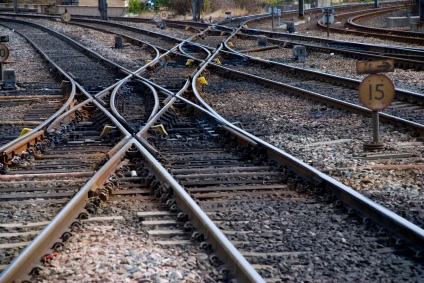 In the Spotlight talk, each of these historical networks were compared to the Google Fiber project. The presenters created a clear comparison between the relative value of connecting communities by railroads, by highways, and by the Internet. In the National Broadband Plan, the FCC compares broadband to earlier projects around electricity, telephone, and radio/TV broadcasting.
Basing an argument on a comparison or analogy is one common strategy for making sense of the world. Yet the analogies we choose often have assumptions embedded in them. Using the following links, spend a few minutes considering the role of arguing by analogy in the case of Google Fiber.
- Eisenhower Interstate Highway System site
- The Transcontinental Railroad home
- Union Pacific 150th Anniversary timeline
Discussion Questions:
- What are the implied relationships between railways, highways, and the Internet for their respective centuries?
- What was the impact of each for communities like Abilene or Kansas City?
- What was the impact of communities the railways and highways passed by? Is this a fair comparison to communities without Internet? In what way?
- What does each of these comparisons add to your perspective on broadband Internet projects? Are there key differences the analogy hides or obscures?
Join the Conversation
We welcome comments on this or other related topics on the main Spotlight page.
- Return to Literacy Perspectives Spotlight page