Faculty Information
Each semester, we offer a variety of 1-hour short-format Honors colloquia. These classes, taught by professors in every discipline, cover fun and engaging topics. Honors colloquia are typically very interactive and are often discussion-based experiences. Each Honors colloquium is limited to 15 students. All Honors students are required to complete two of these colloquia during their time at ACU to graduate with Honors. Students are eligible to register for these courses once they complete 30 hours.
The colloquium offered by the Honors College are opportunities for ACU professors to teach within their areas of research specialization as well as other areas of interest and engage with the University’s top undergraduate students in an intimate seminar setting. In November, the Honors College issues a call for colloquium proposals for the upcoming academic year.
Click on the play button to learn more about creating and submitting an Honors colloquium proposal.
Questions? Contact Dr. Tracy Shilcutt, Associate Dean or Susan Fikes, Academic Coordinator.
Recent Honors Colloquia
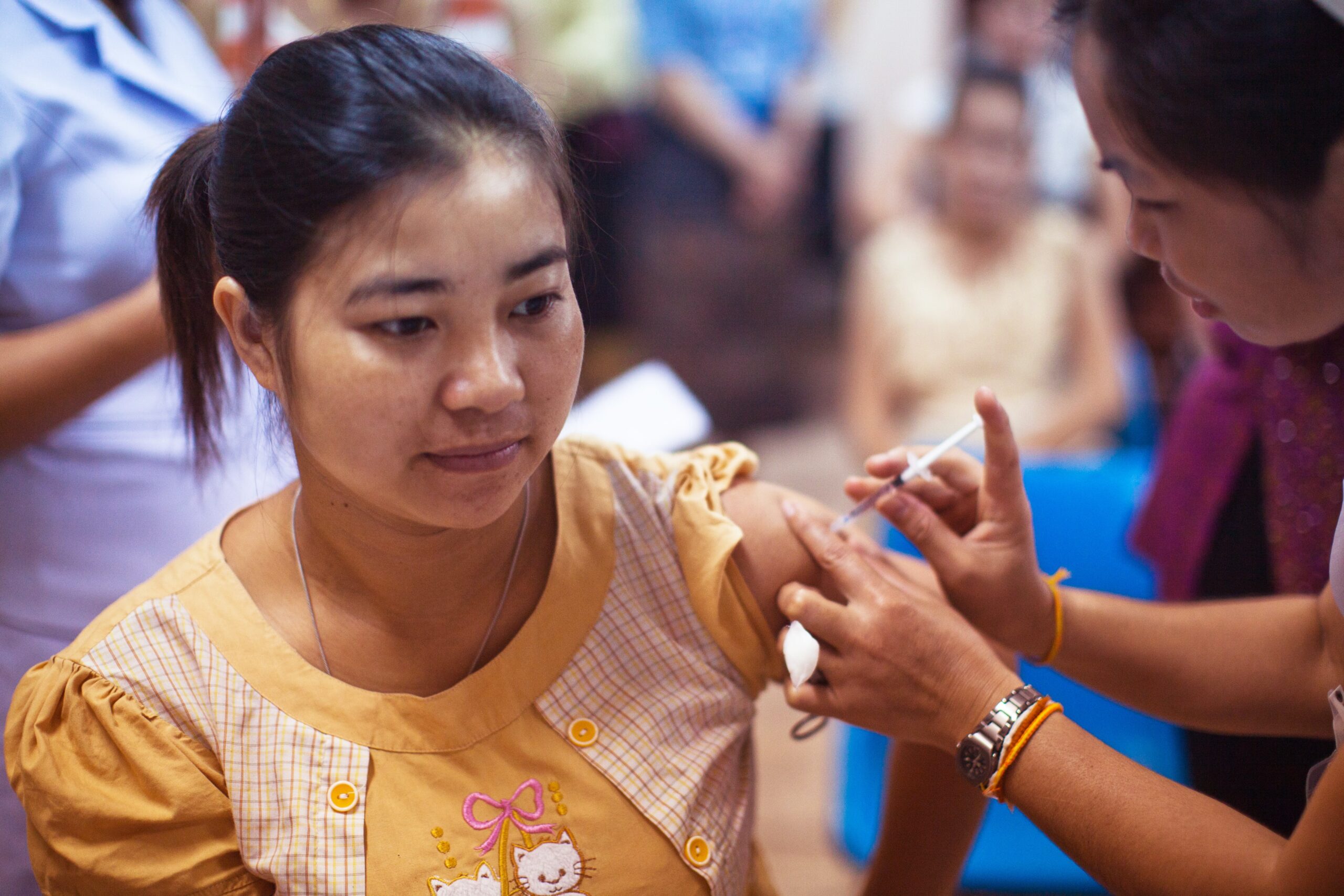
Vaccine Diplomacy with Dr. Neal Coates & Dr. Diana Flanagan
Vaccine Diplomacy is a one-hour interdisciplinary course designed to increase student awareness of the challenges and opportunities faced during a global pandemic by analyzing countries’ responses to COVID-19 and to stimulate discussion on global interaction and responsibility. At the conclusion of the course, students will have historical knowledge of pandemic responses, will understand the role of the World Health Organization, and will better comprehend several countries’ COVID-19 responses and the challenges of vaccine distribution.
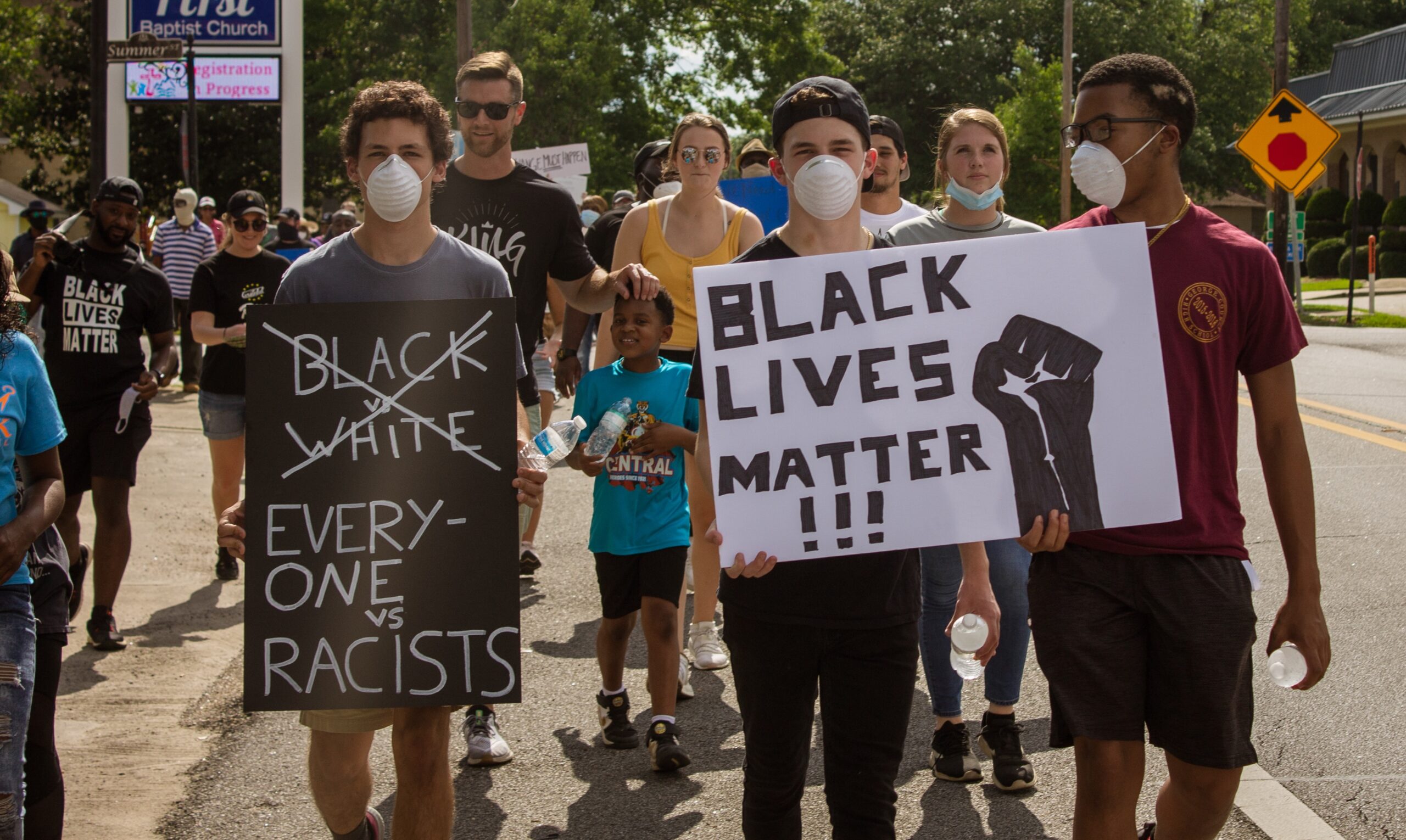
Race Traitors: White People for Racial Justice with Dr. Dan Morrison
What role should white people play in the struggle for racial justice? Sparked again by the police killing of George Floyd, seasoned activists and the newly activated came out to the streets to protest in the middle of a pandemic. Many of the marchers were white, and many engaged for the first time. In the United States, people who identify as white are the majority, and yet their role in the ongoing movement for Black Freedom often goes unrecognized.

Trees, People, & Society with Dr. Kendra Jernigan
Why have humans been so captivated by trees in different historical periods and cultures? Trees appear in various mythologies, spiritualities, art, literature, medicine, and agricultural systems. What benefits do humans and societies derive from their relationships with trees besides raw natural resources? What lessons can we learn from the role trees play within ecosystems and biomes? This Honors Colloquium will explore the interactions between trees, people, and society.

Sociology of Baseball with Dr. Suzie Macaluso
Sports are a pervasive part of our lives in the 21st century from the increasing participation in fantasy sports to the increased competitiveness of children’s sports. This Honors Colloquium will take place over a weekend and include discussions of the way that baseball reflects the values of the broader American society, baseball as a subculture, and the relationship between baseball and other social institutions.
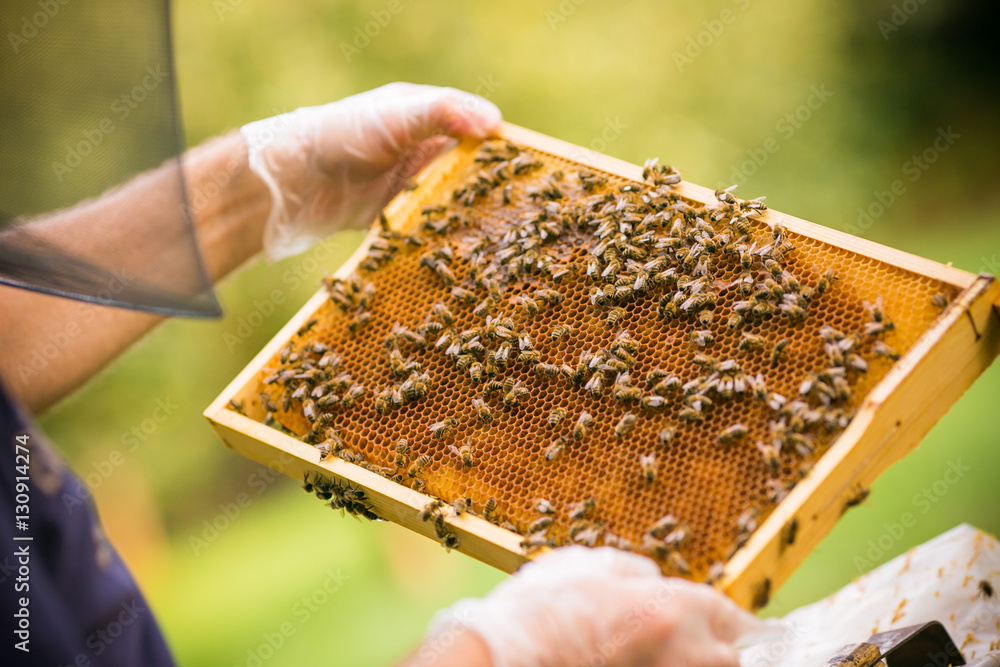
Bees and Honey with Dr. Monty Lynn & Dr. Tom Lee
For centuries, the honeybee (apis mellifera) has pollinated the human mind. With behavior that inspires biologists and products that profit beekeepers, their industry and order have long symbolized flourishing. We’ll explore these intriguing insects in the wild and in semi-domesticated colonies, consider their buzz in medieval and American history and industry, and apply what we’ve learned to ecological conservation, music and the arts, political and social theory, and materials science and engineering. And no worries about those little insects–this is guaranteed to be a stingless class.

A Crash Course in Adulting with Dr. Eric Gumm
Soft skills? Hard skills? How about survival skills for life as an adult? Come join us for this hands-on colloquium experience where we will explore adulting topics from meal planning to job contract negotiation to budgeting to cooking to insurance and church involvement. This weekend course will provide opportunities to gain new skills and refine those you already have as we explore these (and other) areas of life as an adult in the 21st century.

Beyond Punishment: Resolving Personal Harms Through Restorative Justice with Chris Riley J.D.
In today’s “cancel culture,” how can/should personal harms be resolved? Whether a harm relates to personal relationships or a violation of law, rules, or policy, society often turns to traditional forms of retributive justice that define accountability in terms of punishment and relies on adversarial relationships without directly involving the victim. This colloquium will consider the alternative concept of restorative justice and explore victim-center models that rely on accountability, social responsibility, and restoring relationships. Practical case studies and role-playing exercises will be used to learn more about and practice the Circle Process and Victim-Offender and Family Conferencing.