
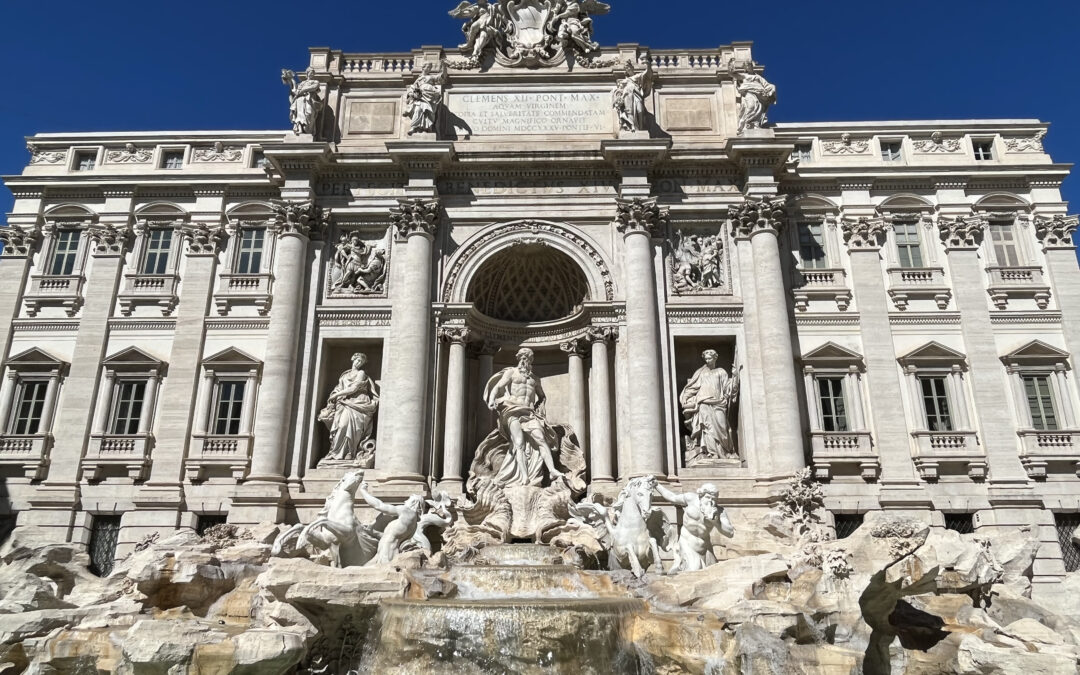
Trevi Fountain in Rome, Italy
It’s hard to summarize everything I did over the four months I’ve spent in Germany, but I wanted to share the things I did most consistently during my time abroad. My group and I have a lot of different food preferences, but we were determined to almost always eat together. With every place we ate at, we kept a log of ratings on a scale of one to five. This was a habit we held up the entire semester, in addition to our four P’s of dinner: pronunciation, pictures, prayer, and prost. We all helped each other pronounce the menu items since everything is in German, and right before we began eating, we always cheered by clinking glasses together and saying, “prost.” Our four P’s also included any group dinners we cooked ourselves, though we didn’t do ratings for that. In addition to all the museums and art exhibits we would visit, we loved going on little grocery sprees together. We very frequently walked to Konsum, our favorite grocery store, and bought fruit juices, cereal, little chocolates, and pastries for the week. These afternoon shopping sprees more often than not turned into movie or game nights in the villa, since everyone had their favorite snacks stocked up.
As little as it seems, I learned a lot from our little outings and dinner traditions. I learned how to navigate places on streets that randomly curve and change names, how hard it is to cook in a new place, how important talking to locals is for learning the language, and how big the world really is. I am entirely directionally challenged, and the first month being in Europe was a headache and a half for me. Roads turn in all sorts of weird ways, and sometimes three businesses can occupy the same building just on different sides. Almost as confusing is trying to cook for the first few times. The ingredients are all in German, some typical American ingredients aren’t available–like vanilla extract, the labels only use the metric system, and the ovens are in Celsius. Something as easy as making pudding takes three times as long to figure out. It does give you a great opportunity to speak to locals for help, but it can be really embarrassing when they don’t quite understand your broken German or just don’t know the English word you use.
Making friends was a good way for me to learn certain slang, however, like saying something is fun or saying you disagree without using super formal German grammar. Talking to locals made me realize that the world is more than just ACU. Sometimes it’s easy to get swept up in the Abilene bubble where it feels like everyone is somehow connected to someone you know even outside of Texas, but Germany was a breath of fresh air. It changed my perspective on how culture impacts our perception of the world. Germans love punctuality, structure, and organization, but they also love flowers, athleticism, leisure, and music. Germans are huge environmentalists, and it was refreshing to see a country that takes the environment so seriously. I’m grateful for everything Germany taught me, and I’m dreaming of coming back to Leipzig to pursue a graduate degree.
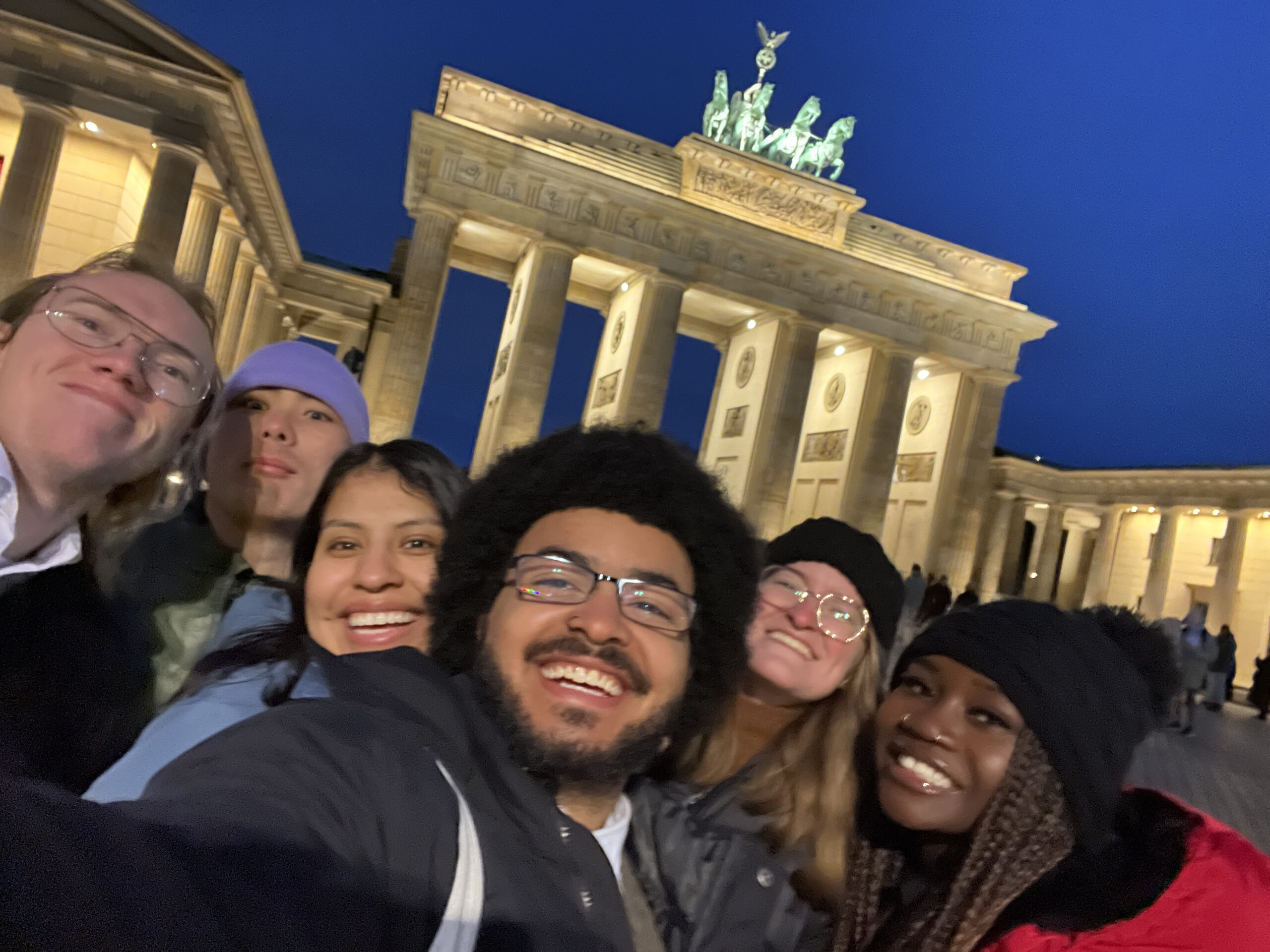
Group photo at the Brandenburg Gate in Berlin
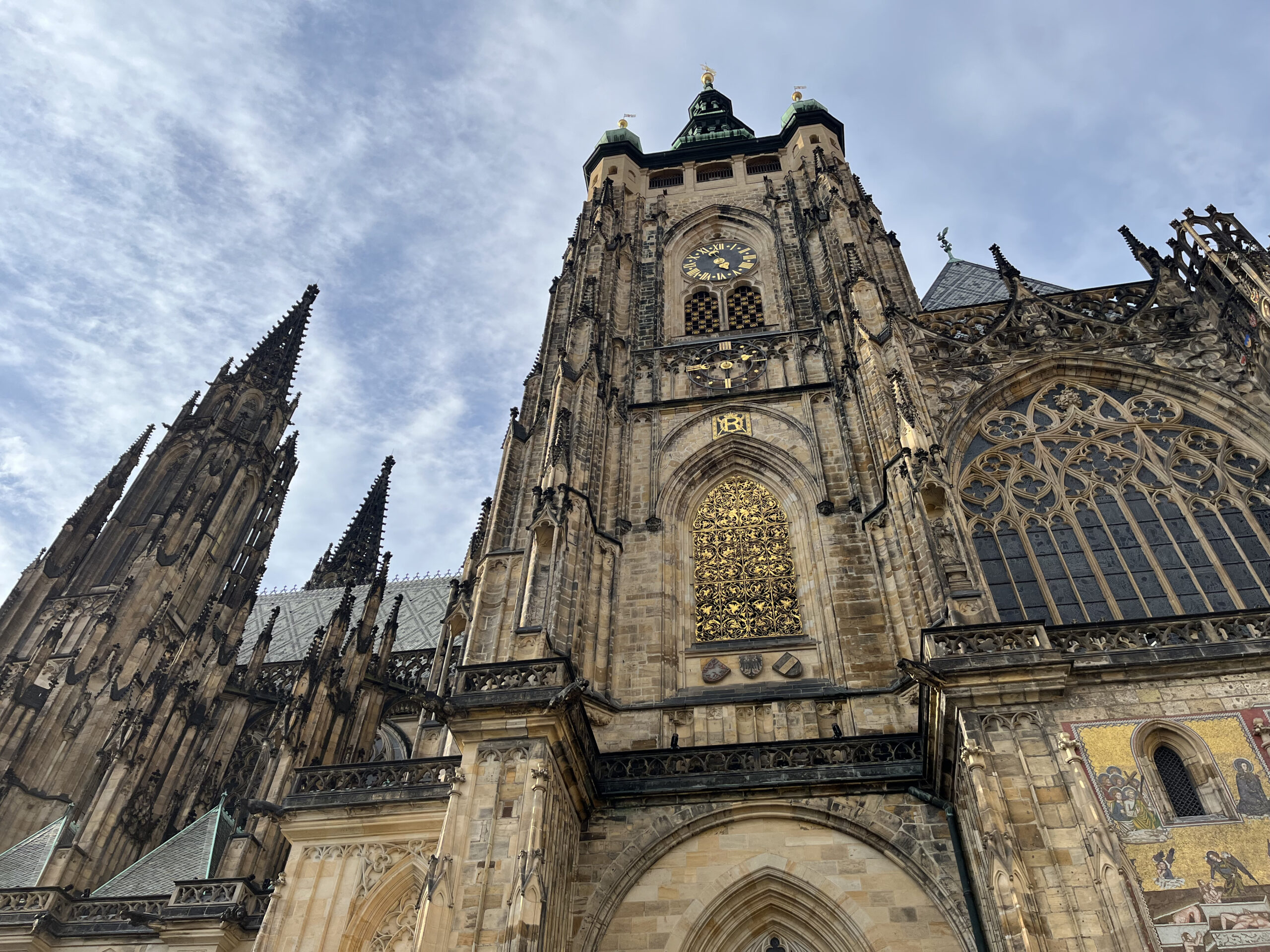
Church inside of a castle in Prague
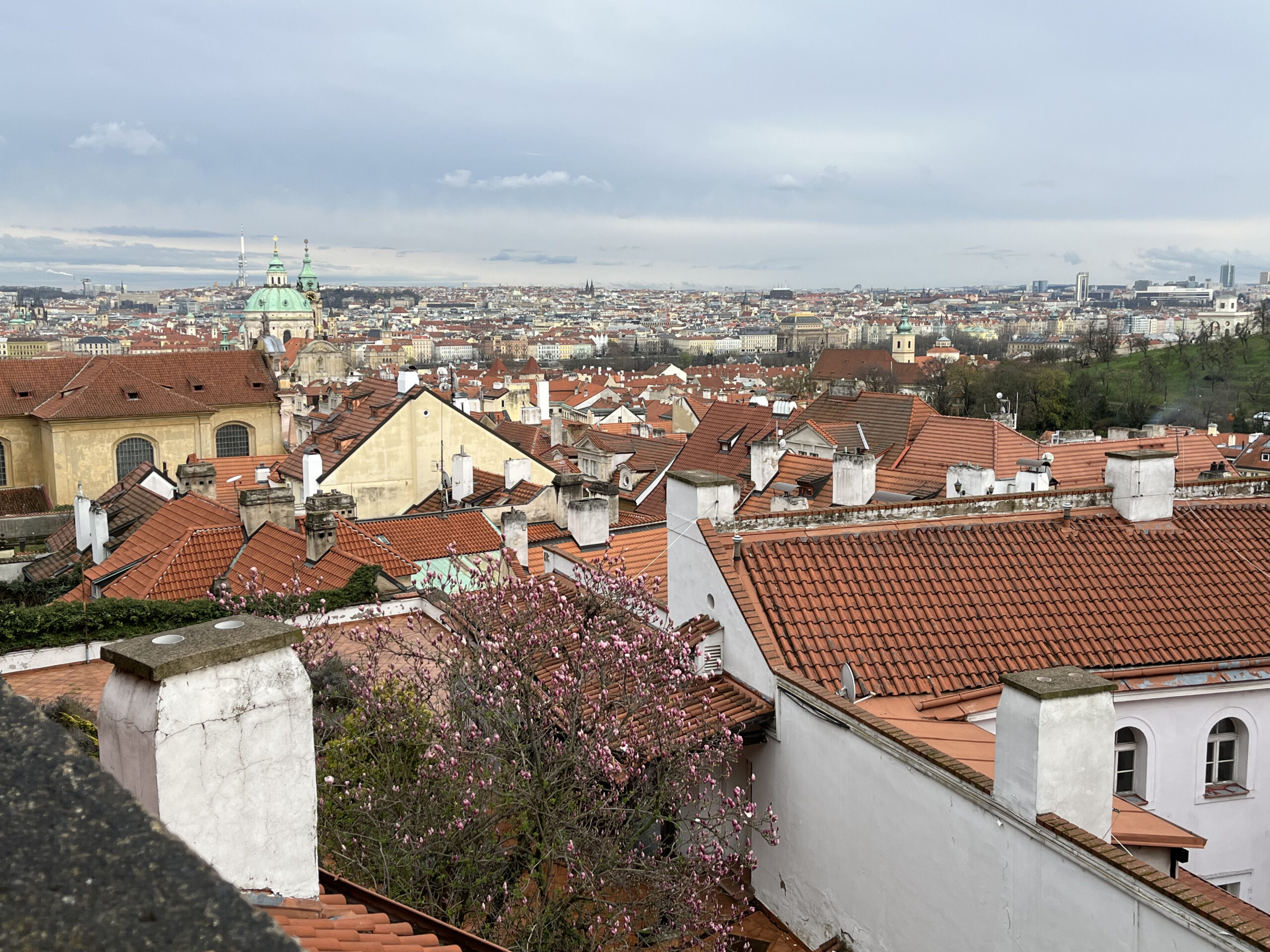
Overview of Prague from the castle
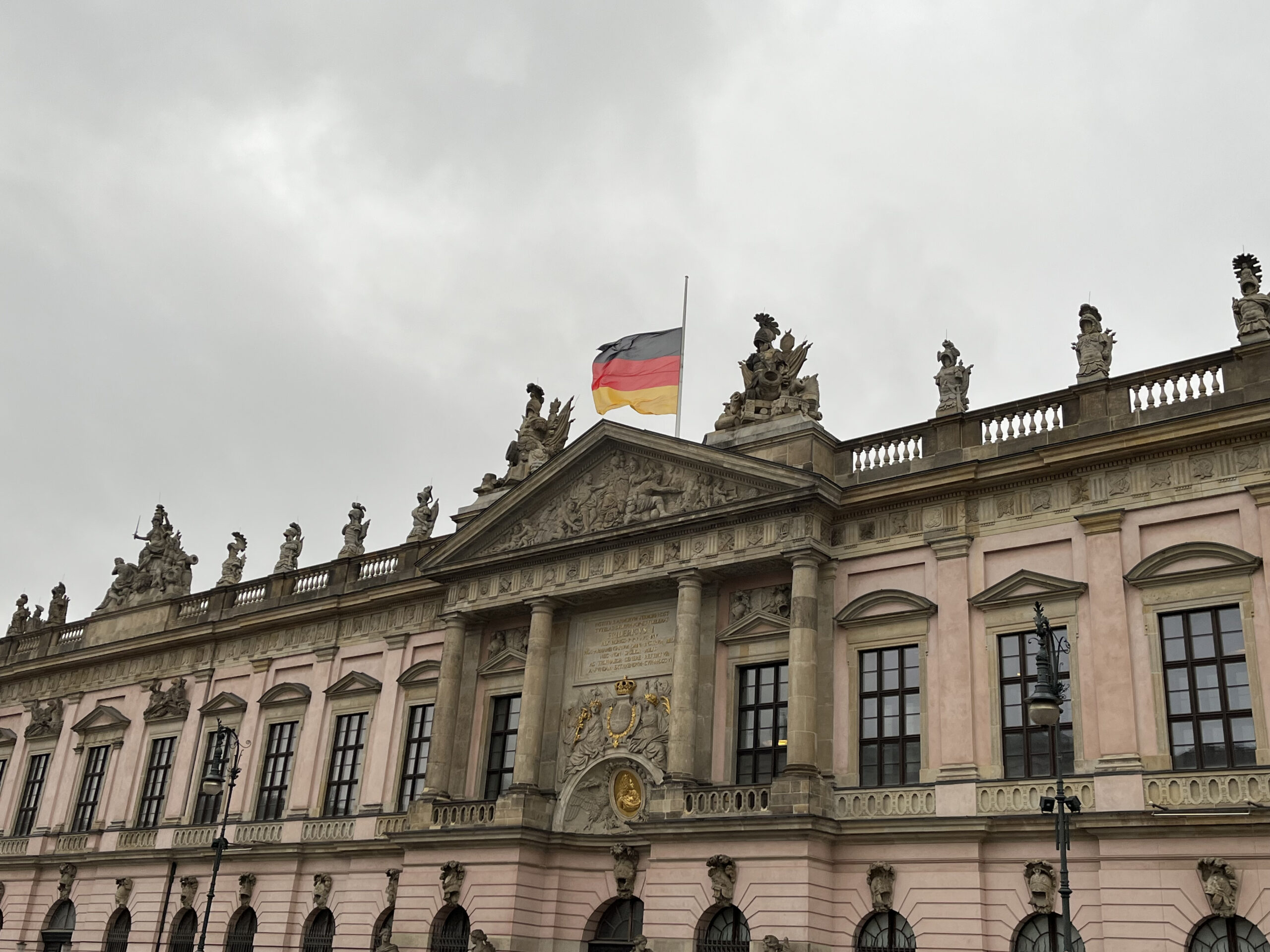
Building across from the University Library in Berlin