

Standing looking out over Machu Picchu after a multiple hour journey to get there should feel like an impressive feat. Not only did we make it to Peru, but we made it the 5 hour journey from Cusco as well. Yet, standing out looking over one of the official modern 7 wonders of the world, I couldn’t help but complain about how annoying the bug bites were and how hot the sun was. I was so excited to be there and I had been counting down the days for months, and there I was. Standing atop the mountain, complaining about bug bites and sunburn.
After three months living with six other people and largely only spending time with those people it is easy to get tired of them. We have different opinions about how dishes should be done, when quiet times begin, and other small trivial things. We have also visited some of the most iconic travel destinations in the world. We’ve been to Machu Picchu, Easter Island, 5 different South American capital cities, and plan to visit Iguazu before the semester is over. Yet, the biggest thing I’ve had to learn comes from Alan De Botton’s The Art of Travel.
At home, as my eyes had panned over photographs of Barbados, there were no reminders that those eyes were intimately tied to a body and mind that would travel with me wherever I went and that might, over time, assert their presence in ways that would threaten or even negate the purpose of what the eyes had come to see.
Ultimately, we bring our whole selves with us to study abroad. We bring negative emotions, feet that can get sore, stomachs that can lead to hunger; all of this comes with us even as we venture to foreign places.
This is not to say that Study Abroad has not been an amazing experience. What I learned from all this was to negotiate with perspective. I had the goal going into the semester to live in the moment, and once I got here and had moments that were more negative than positive I didn’t want to live in them. Ignorance of the negative does not help make the positive more positive. Working through and then moving past the negative does. To be the kindest self I could be, I had to acknowledge the sore feet, the headaches, the homesickness, and sometimes that sucked. After I learned to live in the moment – even if those moments were negative – I could begin to experience the fullness of my study abroad experience. Machu Picchu became the amazing experience I had dreamed of for months, I could laugh with the group again instead of being homesick, and I could have the study abroad experience that I had been hoping for.
Featured image: The Dreamy El Ateneo Grand Splendid in Buenos Aires
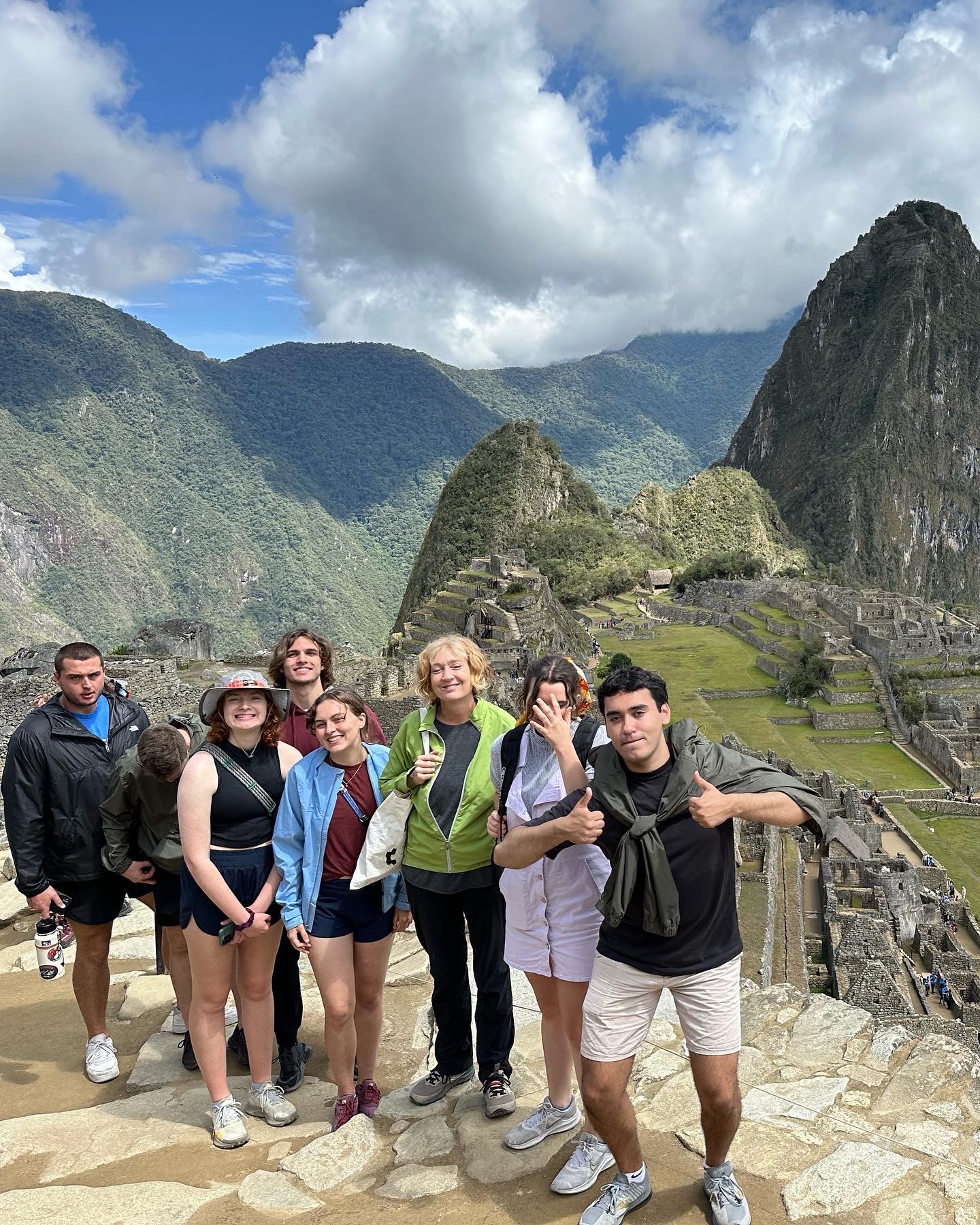
A range of emotions on Machu Picchu
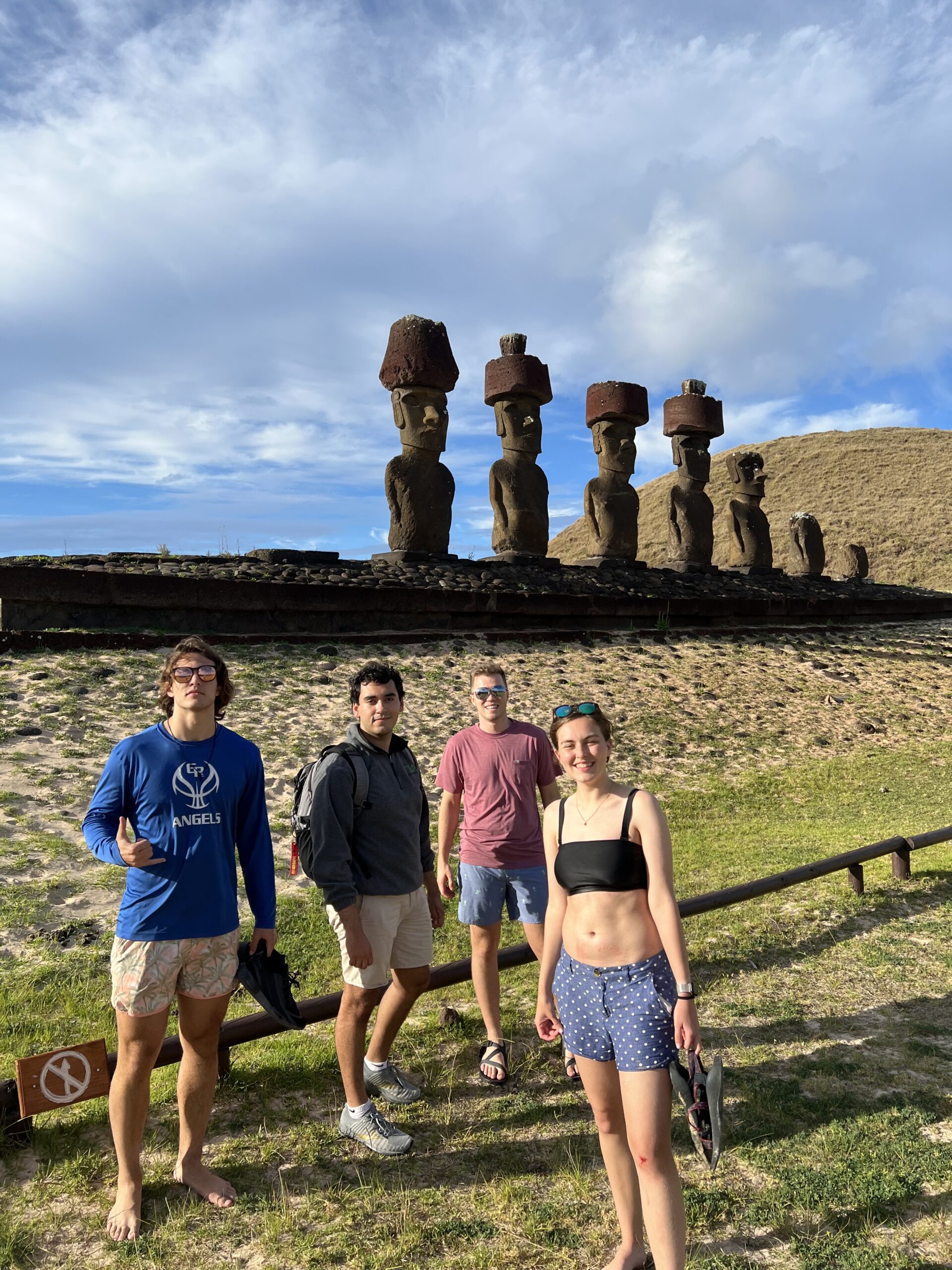
Right after I fell and significantly scraped up my knee and my stomach
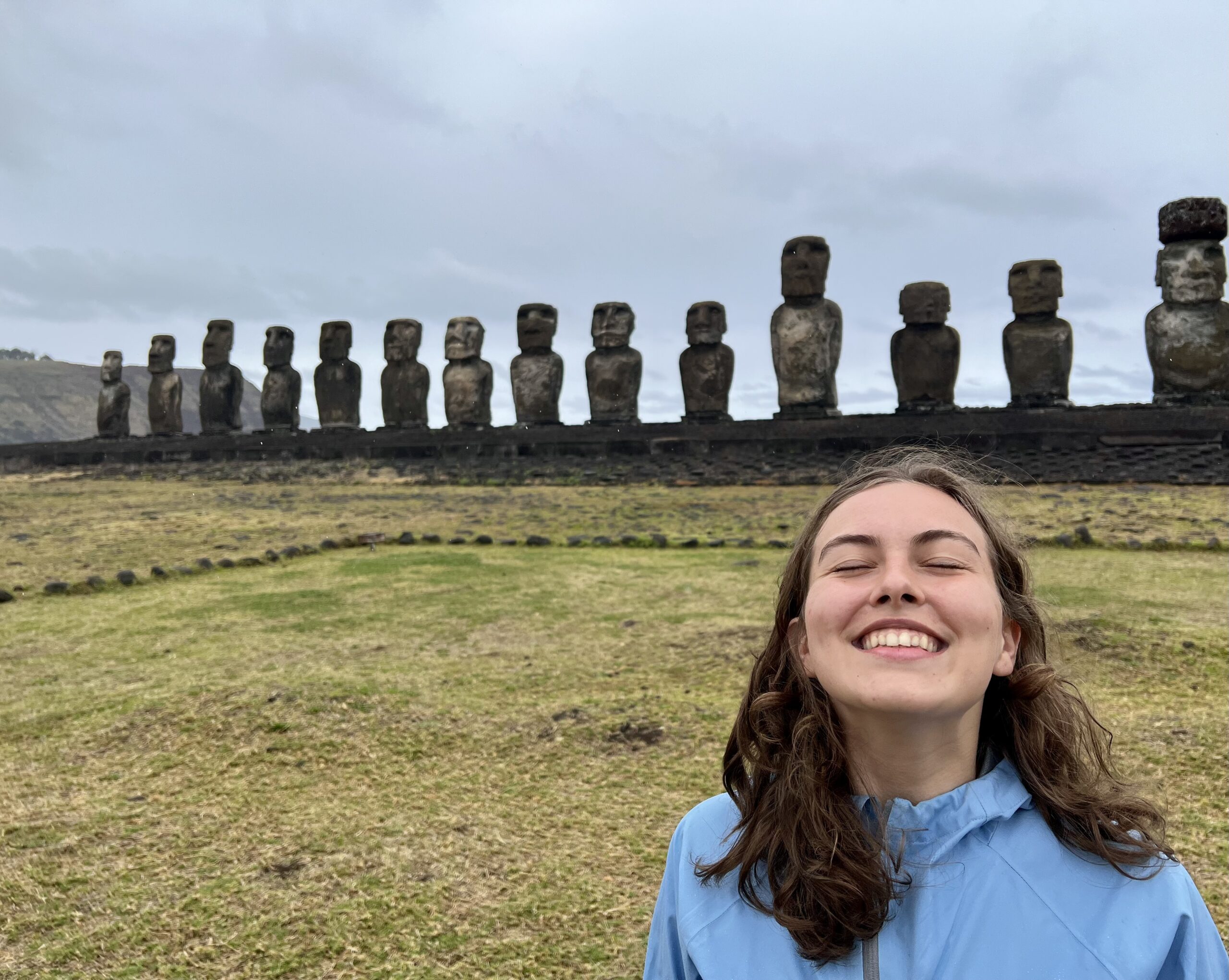
Sunburnt but Smiling on Easter Island