
Language, although most fail to recognize it, has a profound influence on our lives. It shapes how we think, determines the tone with which we address coworkers, the way we react in a conversation, and can dictate societal norms. Especially in the “ACU bubble”, it can be easy to forget the entire world of diverse languages and corresponding ways of thinking that surround us. Prior to my departure, my hopes for this study abroad experience here in Uruguay were somewhat short-sighted. They involved acquiring a better understanding of South American culture, and hopefully an increased level of fluency in the language. After several months abroad, however, I have come to the realization that this goal, while important, makes up only a fraction of all that has made this trip worthwhile.
As a psychology major, I spend much of my time thinking about what motivates people to act the way they do. An innumerable amount of influences drives us to make even the most simple decisions. Culture is the obvious motivator for much of our behavior, but what about language? The two go hand in hand. During my first week in Uruguay, I was struck by the difficulty of everyday errands. Running to the corner store for some bread had the potential to become the most anxiety-inducing event of my day. My deficit was not understanding the individual words spoken but comprehending what to anticipate from this encounter. For instance, during a typical visit to the United closest to my house in Abilene, I know not only to put my items on the conveyor belt but also to expect the cashier to ask which bags I prefer and if I have a rewards number. In most instances, I would be able to anticipate this exchange without fully hearing the words of the cashier. Buying groceries in Uruguay had none of this certainty. I was instead required to bring my own bags, pay with cash, and try to communicate with the cashier through both of our face masks. The mental “schema” I use to buy groceries at home is not only meaningless here in the sense that the words spoken to me are different, but also in the underlying expectations that differ here as well. Interactions such as this one at the beginning of my trip were equal parts stressful and exciting for this reason.
Buying groceries is a very simplistic example of the power of language, culture, and social expectations on our behavior. During the past several months, however, this idea has been the one that has impacted me the most. It is no surprise that these seemingly minor factors often lead to “culture shock” for those who encounter them. However jarring, the experience of living within a new culture allows us to become more empathetic, well-rounded individuals. After all, how many people around me might be going through the same form adjustment when I get home? I hope that my time here has provided me with some small amount of perspective on their situation.
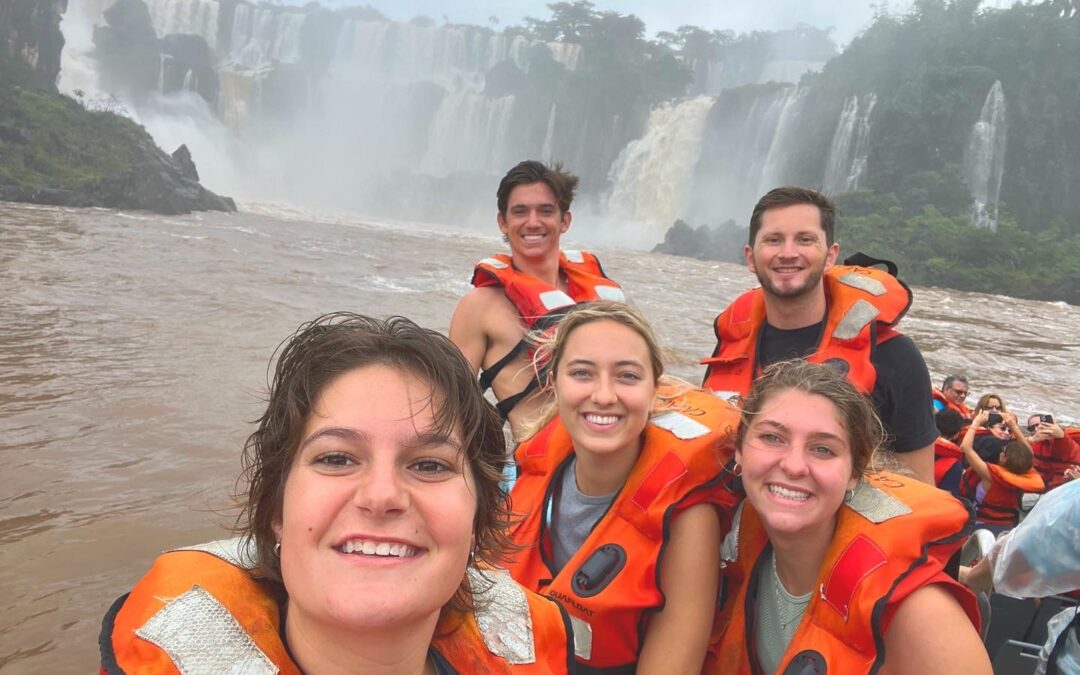
Featured Photo: Semana Santa in Iguazú Falls
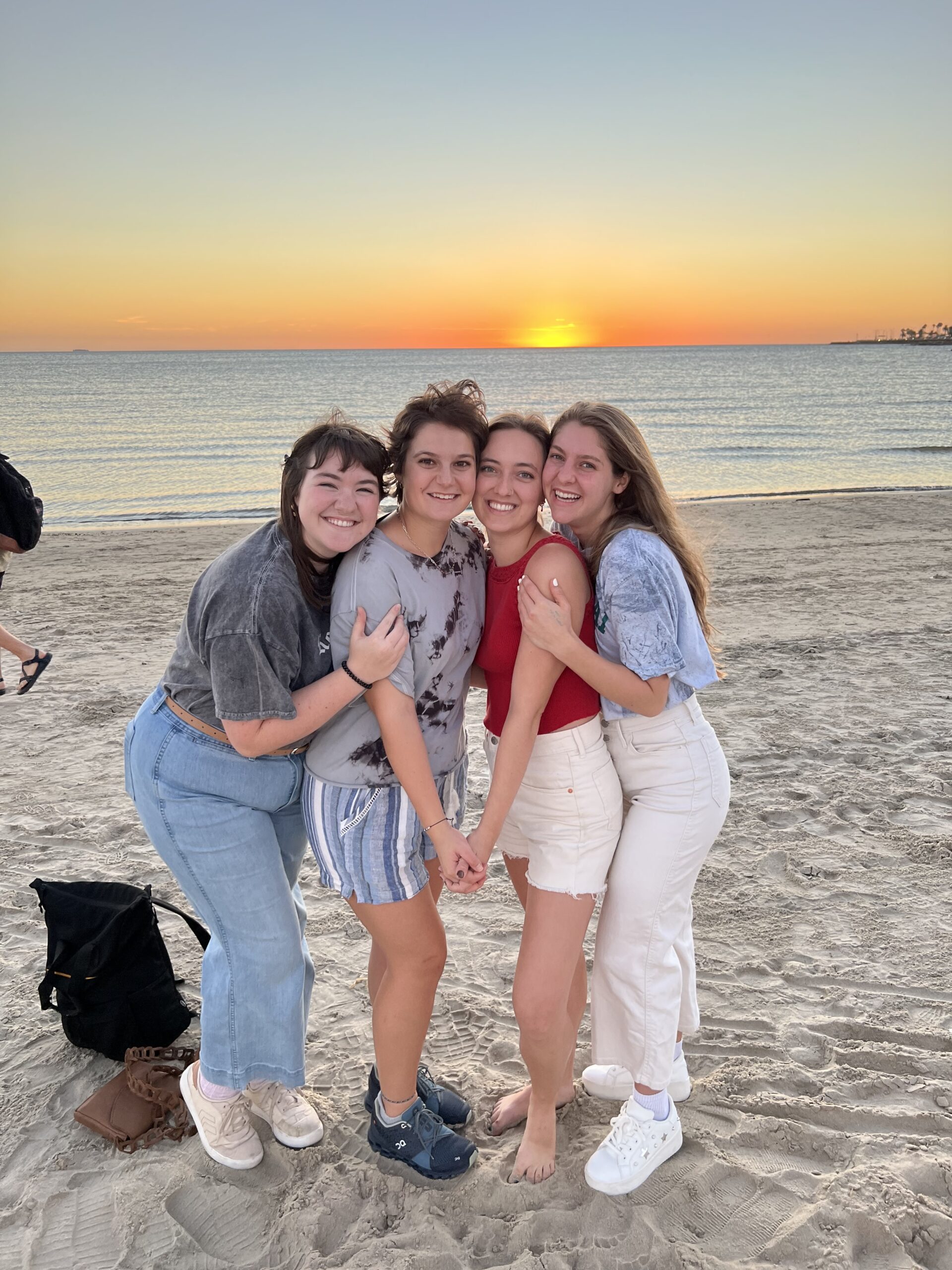
Sunset at Parque Rodó
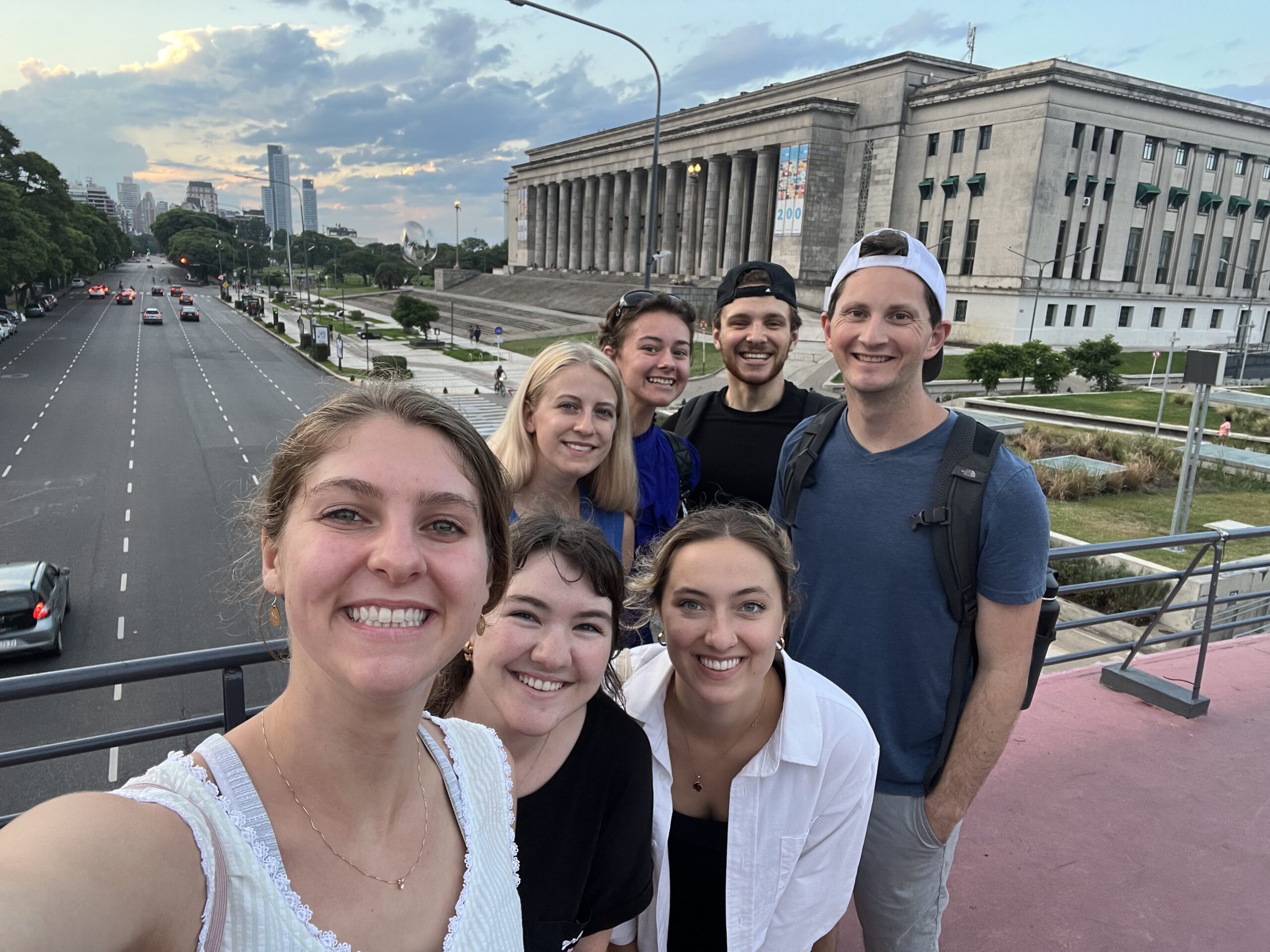
Sightseeing in Buenos Aires
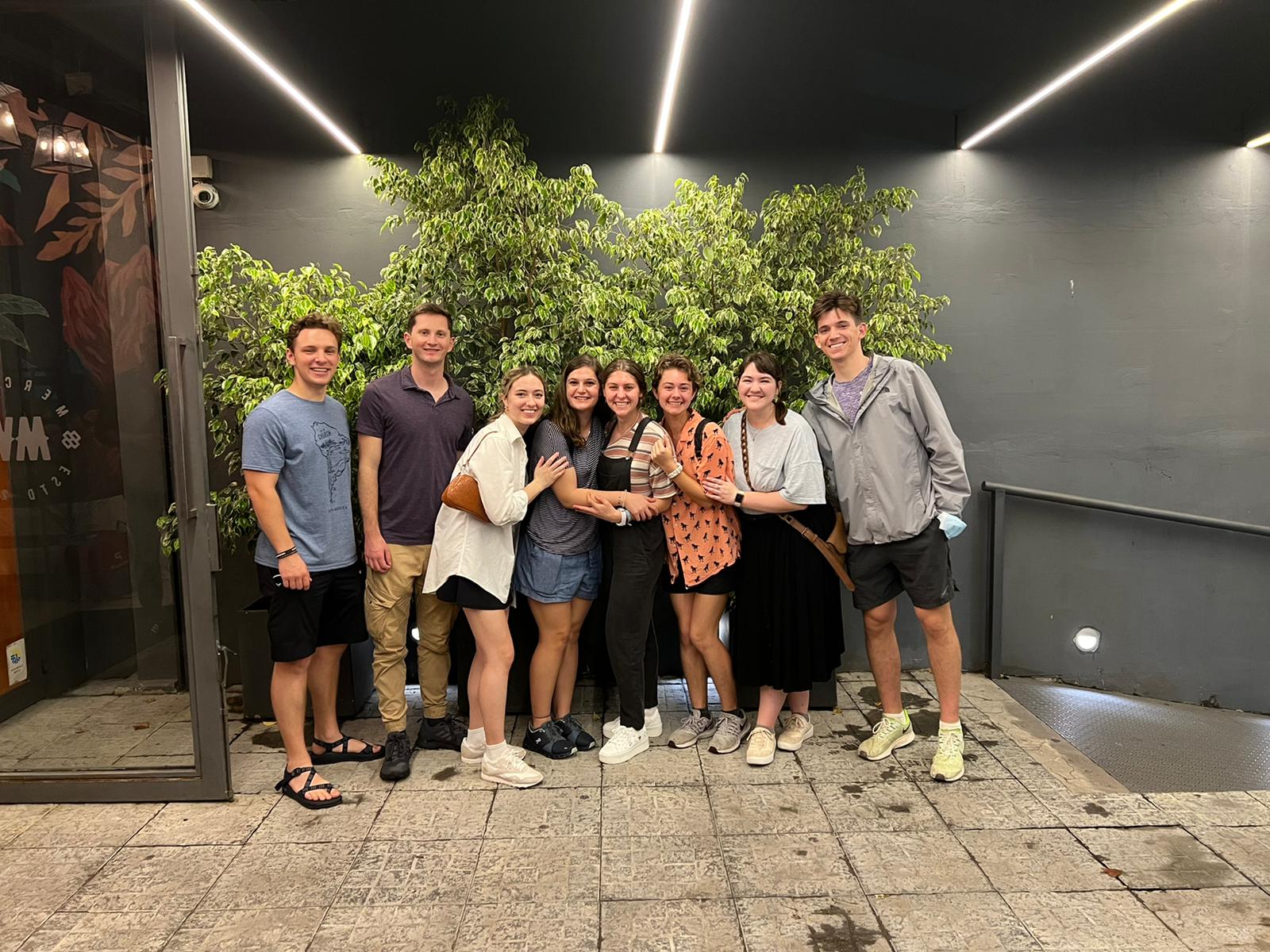
Group trip to Mercado Wiliman!