
How do we perceive reality? How do we know that our perception is accurate? In this spotlight session Dr. Daugherity explores some lessons learned from the perspective of the sciences.
The scientific method is our primary tool for overcoming bias and wishful thinking. Our goal is to eventually uncover the inner workings of the Universe and to use that knowledge for the greater good. However, each answer only seems to lead to more questions.
- How is science more than technology?
- Why do our experience and intuition sometimes mislead us?
- Can we predict the future?
- Why is doubt important?
.
http://vimeo.com/97722010
In case you want to read further, Dr. Daugherity has provided citations for some of the more provocative quotes that he used in his presentation.
“When we’ve finally understood all there is to know about God, then all we’ve really understood is a God we’ve created in our image.” (Brandon Ambrosino, “Giving Up God for Lent”)
“Doubt is God’s way of tearing down the private fantasy we have constructed about him—where what we think about God is without further need of reflection, no longer open to growth. Doubt does not mean that God is “dying” for us. Doubt signals that we are beginning to die to ourselves, and that can be very painful—dying usually is.” (Pete Enns, “The Benefit of Doubt”)
Join the Conversation
If you have a question for this week’s speaker or would like to share a conclusion of your own, please post it as a comment below. We welcome off-campus voices to the public Cornerstone dialogue as long as they are respectful and contribute meaningfully to these curricular discussions. See the ACU Blogs Terms of Use or About Cornerstone for more information.
Spotlight Resources




BIOGRAPHY
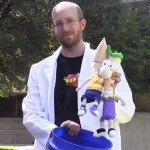
Dr. Michael Daugherity is an assistant professor in the Department of Engineering and Physics at ACU.