by M. C. Jennings | Dec 11, 2015 | Academics, COBA Events, COBA Faculty, COBA Staff, College Decisions, Current Students, Faith Infusion, Uncategorized
What is your educational background?
I graduated from ACU with a BA in Political Science in 1997, then received a JD from Texas Tech University School of Law in 2000. I also earned an MA in History from West Texas A&M in 2014.
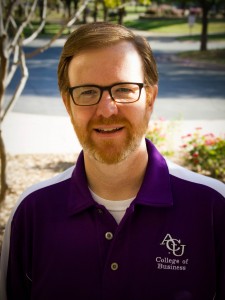
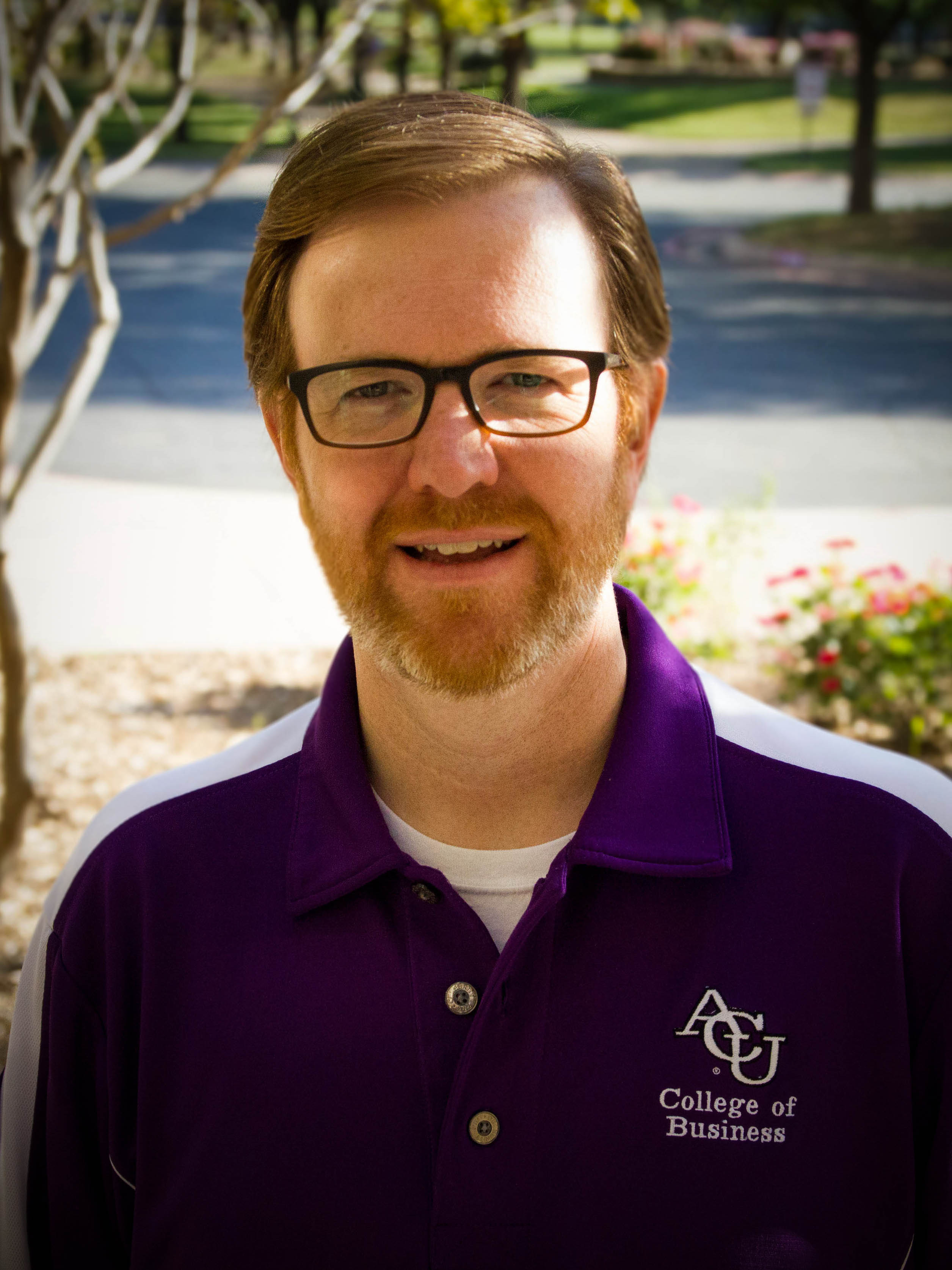
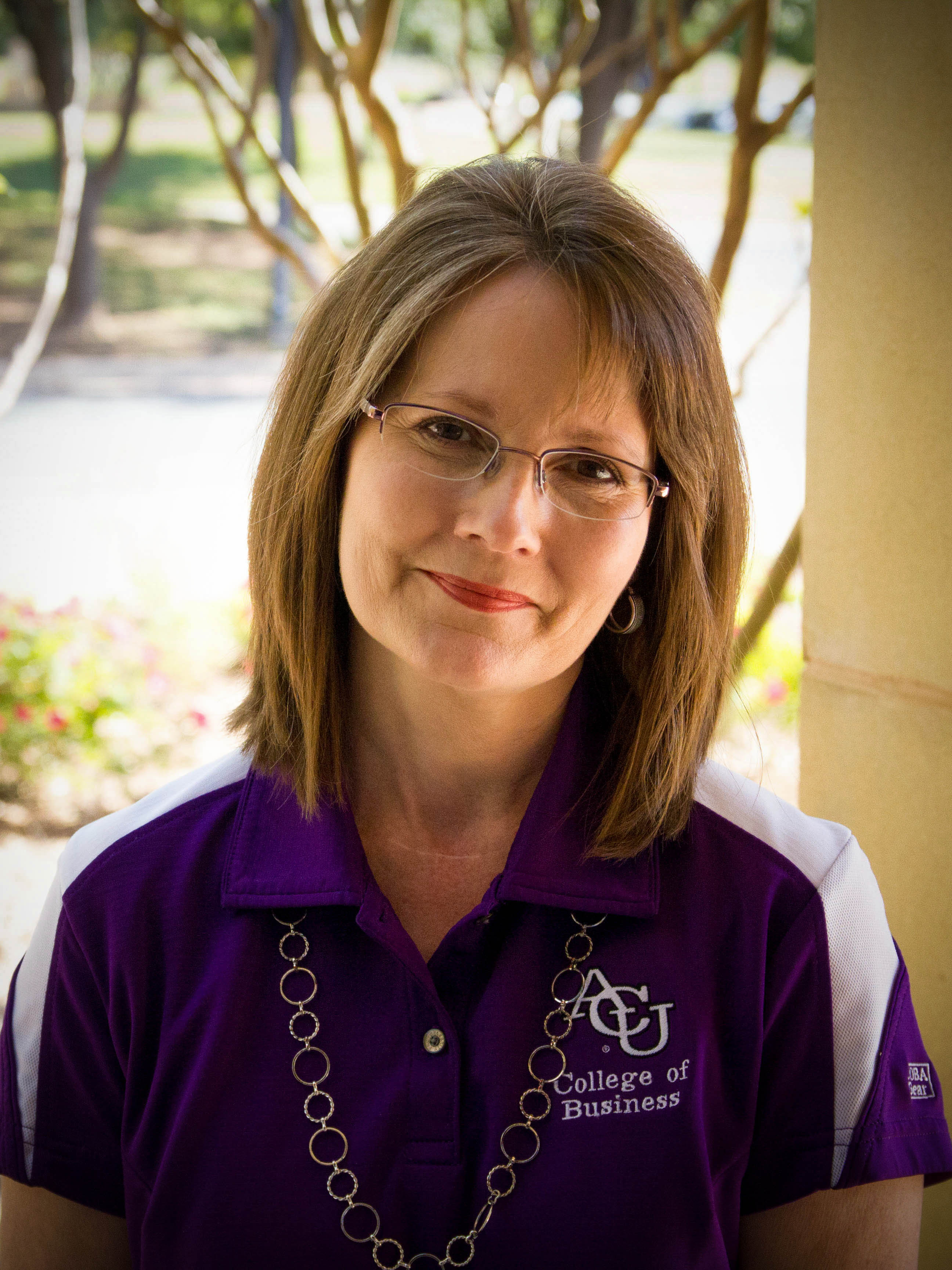
Dr. Andy Little
What is your work background?
I practiced law from 2000 to 2010, primarily at a regional law firm in Amarillo. My legal practice encompassed employment law and business litigation.
What do you teach at ACU?
I teach the business law classes, and occasionally teach a class related to ethics and corporate social responsibility. I also teach Honors College colloquia from time to time.
What committees/other duties do you have at ACU aside from teaching?
In addition to teaching, I also serve as Associate Dean of the College of Business Administration.
What drew you to teaching? Why did you want to work with students?
I grew up the son of an ACU professor, and I had a wonderful experience at ACU as an undergrad, so I think I always knew in the back of my mind that I wanted to be back in the university setting at some point.
What’s the best part of working with students?
Students have a spirited vitality and sense of hope within them that keeps me young. I really enjoy walking alongside them at this transitional phase of their lives. In my better moments, perhaps there is an opportunity for me to share my faith journey with them, and for us to learn from one another.
Have you ever given up any big opportunities to keep working with students?
This is a hard question to answer. At a very superficial level, yes, I gave up considerable income and positional power as a partner at a regional law firm to work here at ACU. But during the time period in which I made the transition to teaching (around 2010), I was in the process of discovering that money and power weren’t my priorities anyway, so I’m not sure I was giving up something I really wanted in the first place. I guess I would say I gave up something I thought I wanted.
Outside of teaching, what passions and hobbies do you have?
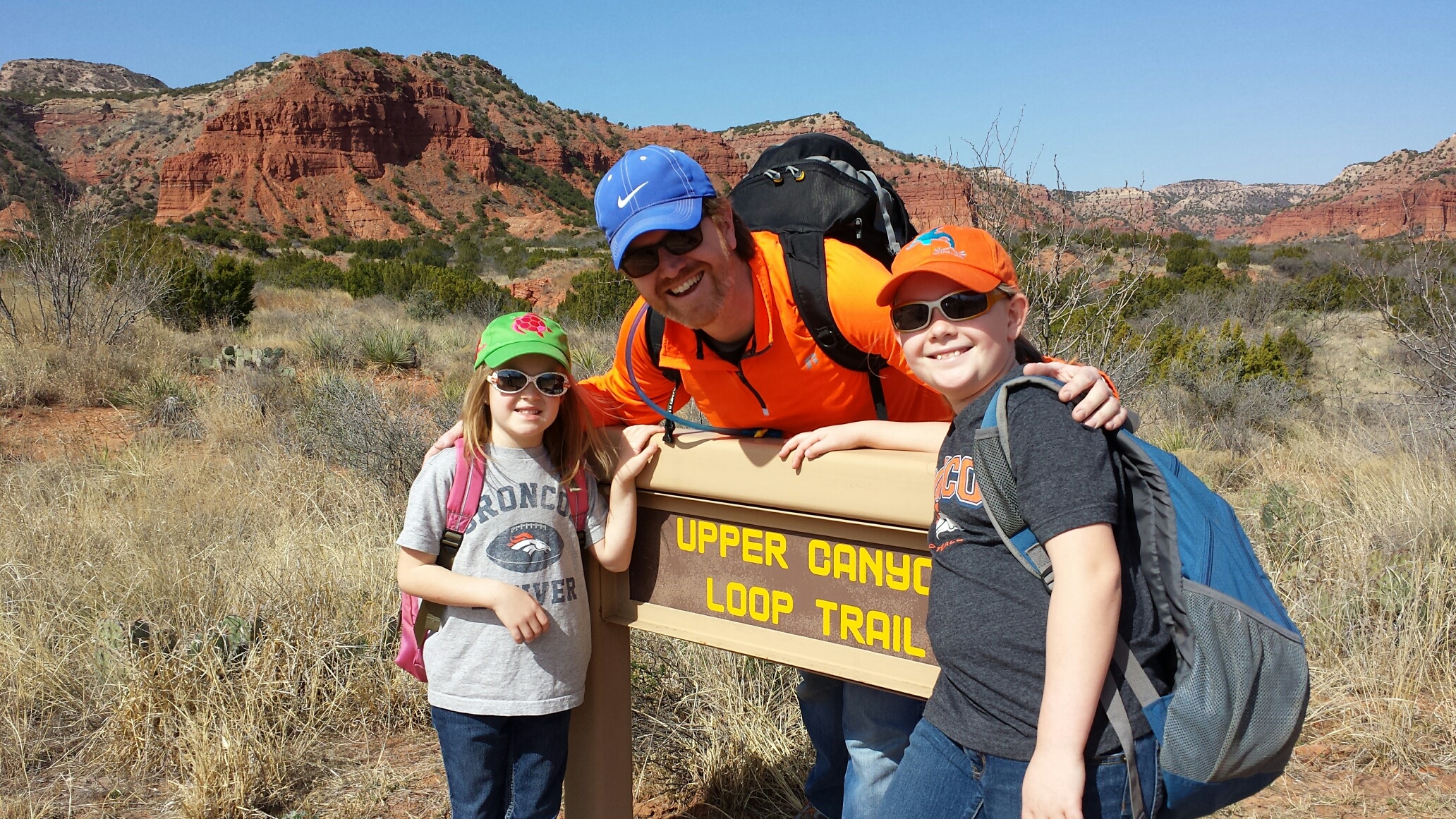
I like the wilderness—hiking, backpacking, skiing, camping with family and friends, etc. I like music. I read a lot of books about history and religion. I try to be involved with my church family.

What is a good, early story about your teaching?
I had a student named Brody Smith who insisted that we listen to part of the Top Gun soundtrack one morning in BLAW 461. I liked Brody. And I liked Top Gun. So I accommodated his request. It was a great class period. I’m sure everyone learned a lot that day.
Tell me about a project or accomplishment that you consider to be the most significant in your career.
I was honored to be ACU’s Teacher of the Year in 2012.
Do you do any charity or non-profit work?
I’ve been on the boards of directors for several non-profits over the last 15 years, most recently the Christian Village of Abilene.
Who is your role model, and why?
He will likely be embarrassed by this mention, but I’ve tried to watch Monty Lynn closely to see how I can better emulate him as he emulates Christ.
Who was your most inspirational professor and why?
Mel Hailey in the Political Science Department consistently made me think deeper than any other professor. In a series of three courses dealing with political theory, he led us through an extended collection of readings that addressed the central question, “What is justice?,” which has animated much of my professional and intellectual career ever since.
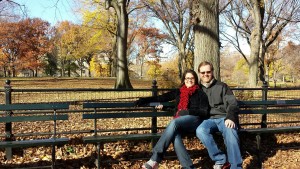
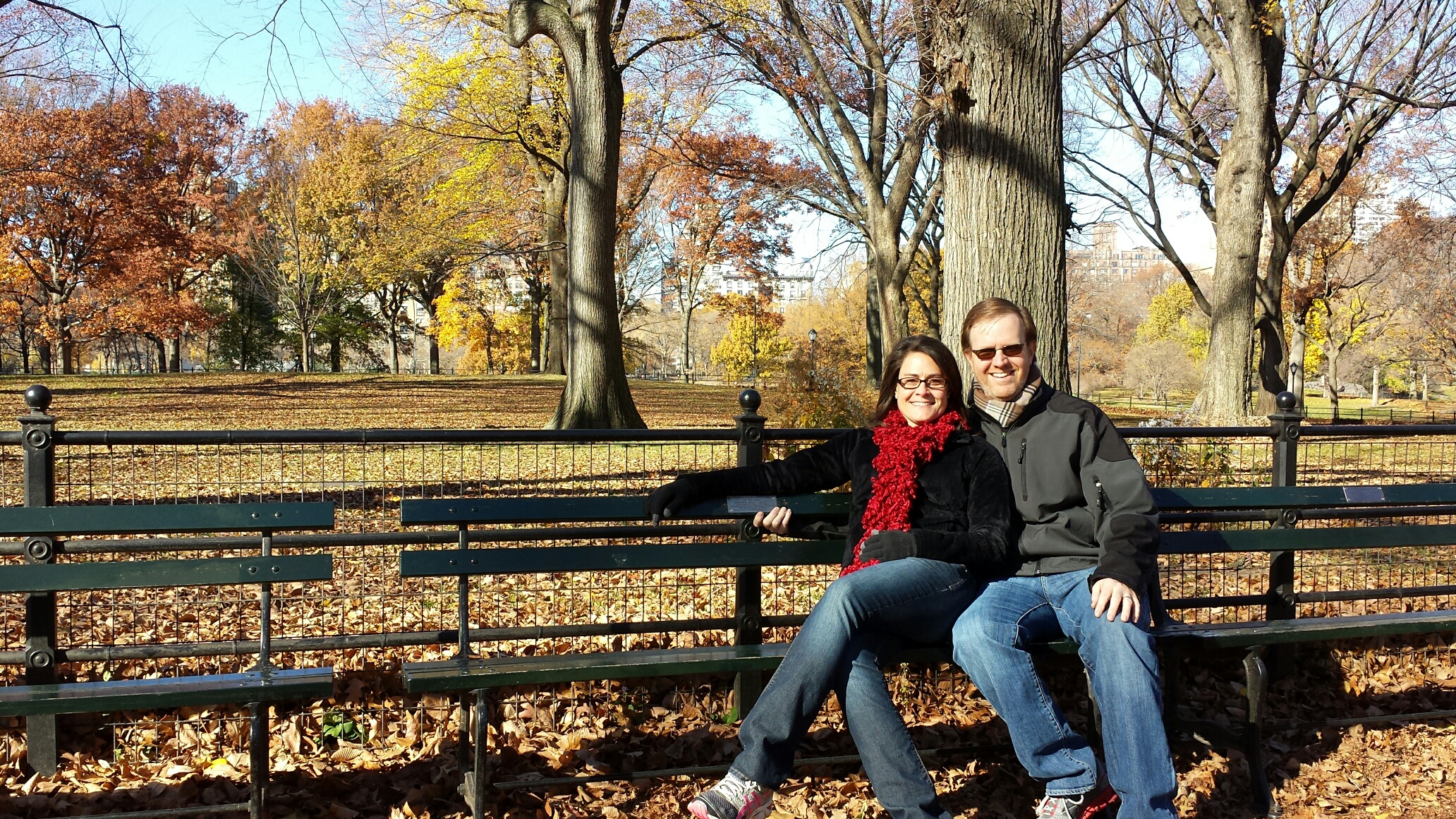
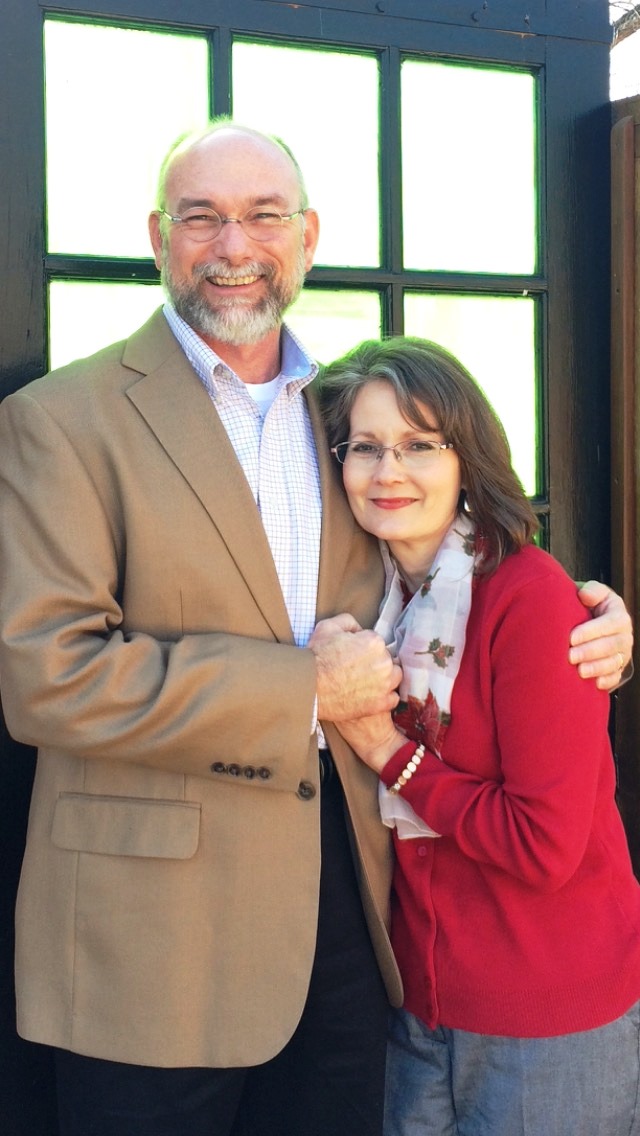
Jennifer and Andy Little
If you could have a superpower, what would it be and why?
Who’s to say I don’t already have superpowers?
What is something that students might be surprised to find out about you?
I’m a big fan of the punk band Social Distortion.
What would you really want students and alums to know about you?
As before, this is a hard question to answer. The easy, church-y way to answer it would be to say, “I want others to know Jesus when they know me.” And this would be a true statement, so far as it goes. But I’m also realistic enough to know that I am not Jesus, and that the Jesus people get to know when they know me probably looks and feels different than the Jesus they might get to know if they know someone else.
It’s also a hard question to answer because I’m a private person, and I’m not comfortable being known through social media at all. This is not a space in which I want to live, so I choose not to disclose much in these kinds of formats. I prefer unmediated relationships in which to know others and be known by them.
by M. C. Jennings | Dec 8, 2015 | Academics, COBA Faculty, Current Students, Research, Uncategorized
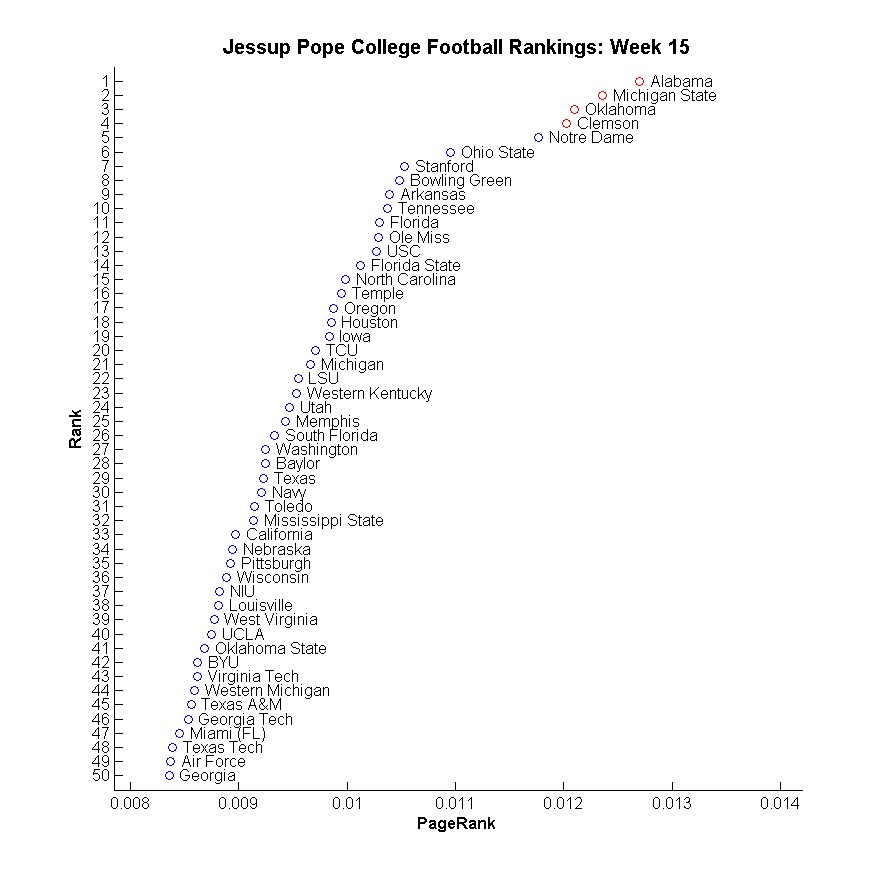
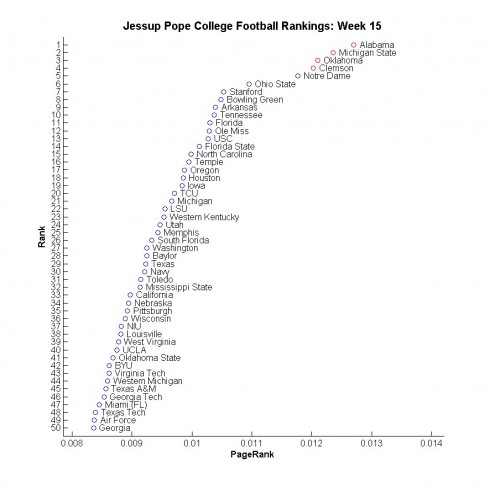
Alabama, Michigan State, Oklahoma, and Clemson are our top 4 teams, respectively, for week 15. Notre Dame falls to 5th, Ohio State is bumped to 6th, and Stanford rose to No. 7 on the strength of their strong win over USC (#13). All the major moves were by teams that played this weekend and most of their moves were upwards. Strangely, Texas (#29) has two wins over top 25 college football playoff (CFP) teams – there are very few teams out there with that distinction!
Prediction quality measurement
Out of the 87 games involving teams ranked in the CFP top 25, the CFP continues to correctly predict the winner (adjusted for home field advantage) 67% of the time. We can actually compute the probability of being that successful out of 87 games if you are purely guessing: it happens less than .001 of the time, or less than 1 in 1000 attempts. We look at something called a binomial distribution to obtain this “p value.” Our model continues to outperform the CFP system, correctly predicting the outcome 74% of the time for these same games. As of this weekend there have been only 14 games in which our system makes a different prediction than the CFP rankings and ours has “won” this competition 10 times. If our two systems were equal in predictive ability, then the probability of this happening would be less than .029, or about once in 35 tries.
A bug – or a feature?
George Box famously said “all models are wrong, but some are useful.” Similarly, we know that our system is flawed and this process of producing rankings each week has brought some of those flaws to the forefront. One of the goals of successful modeling is to seek out flaws so as to eliminate or minimize them. If we are trying to build better models, what good would it do to hide the flaws?
The primary weakness we have found in our system is that teams which play more games are ranked higher than those that play fewer games. In fact, nearly every team that played this weekend, win or lose, moved up in our rankings due to this fact. This clarifies why Clemson edged back into the top 4 and Notre Dame fell out – all three teams that moved ahead of them played this weekend. (On a sidenote, I am genuinely bummed that we have the exact same top four – though in a different order – as the CFP.) This flaw might also explain why we expected a large Michigan State win over Iowa and a narrow Stanford win over USC when in fact they won narrowly and largely, respectively. This issue is definitely one we will address in our college football offseason. Interestingly, the fact that our model is working better than its primary competitor, the CFP, suggests that it might be a feature instead of a bug!
In later posts, we will present some additional comparative analysis of our rankings and, further, list our predicted bowl winners and win margins.
Previous JP rankings posts
If you are interested in learning more about our rankings, feel free to read some of previous posts, linked below.
Post 1: Week 10: Introduction of JP ranking system and initial rankings (week 10)
Post 2: Week 11: Rankings and additional information on how the system works
Post 3: Week 12: Rankings
Post 4: Week 12: Addendum – Tears on my slide rule, or, What happened to dear old Texas A&M
Post 5: Week 13: Rankings
Post 6: Week 14: Rankings and a measure of comparative predictive performance
by M. C. Jennings | Dec 4, 2015 | Academics, COBA Staff, Current Students, Uncategorized
What is your educational background?
I graduated from ACU with Social Work degree in 1988.
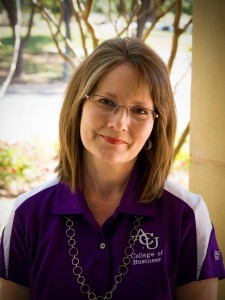
Frankie Montgomery
What is your work background?
I worked as an assistant for a CPA in Ft. Worth before coming to ACU. While at ACU I worked as the assistant director in Gardner Dorm and director in McDonald Dorm. After graduation I worked as a social worker with Big Brothers Big Sisters. I was honored to work at home while our children were little and went back to work at Big Brothers Big Sisters about the time they were in middle school.
What do you do at COBA?
I assist (read: try to keep up with) Dr. Lytle, oversee the COBA budget and the various tasks associated with the upkeep of the Mabee Business Building. I’m also on the staff senate.
What’s the best part of working with students?
The fresh energy that students exude and the creativity and talent they are developing is inspirational – and I’m not exaggerating. It’s really fun watching students become who they are. Making new friends is one of my favorite things so connecting with students is really fun to me. I’m in a good place!
Outside of ACU, what passions and hobbies do you have?
I enjoy gardening, traveling, antique shopping, cooking/baking, camping (mostly the part where I sit by the fire), visiting with friends and keeping connected with them. All of these things are more fun when I’m in the company of my husband, Monty. (We’ve been married 25 years!) We also care for my 92 year old father who lives 3 blocks away from us in his own home. I enjoy anything that touches, affects, is related to or involves either of our kids who are both at ACU: Seth (Senior) and Leah (sophomore). They are both pretty cool people, to say the very least. I spend a good deal of time praying for them, their friends, their future spouses and their lives in general.

Monty and Frankie Montgomery
What is a good, early story about your first job or when you were in college?
Well, I made it to my very last week of college before being thrown into the GATA fountain. (That used to be a thing when the fountain was like a shallow wading pool.)
Do you do any charity or non-profit work?
I have been a Big Sister with Big Brothers Big Sisters for 5 years. My Little Sister is 15 now!
Who is your role model, and why?
My role model has always been my mother. Although she died 22 years ago she continues to influence me. Mom came to know God when I was approaching my teen years so I had a front row seat at a pretty critical time to observe her and my dad as they made significant changes in their lives to follow Christ. I learned about accepting grace and desiring to please God and being real and being hospitable from her. I also learned from her the value of giving people a chance. She really grasped the concept of God doing mighty things when people are open to Him and not giving up on people because of that.
Who was your most inspirational professor and why?
John Willis, of course. His teaching was excellent and he had a way of making sure the students knew he was available to us. And those windmill cookies were to die for.
-
-
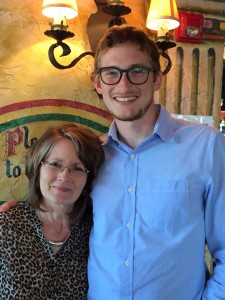
Frankie and her son, Seth
-

-
Frankie and her daughter, Leah
If you could have a superpower, what would it be and why?
Okay, I always hate this question. But if time travel was a superpower I would pick that. There are a couple of moments in history I’d really like to witness.
What is something that students might be surprised to find out about you?
That I lived in Scotland for a little over a year between my Sophomore and Junior year at ACU.
by M. C. Jennings | Dec 1, 2015 | Academics, COBA Faculty, Research, Uncategorized
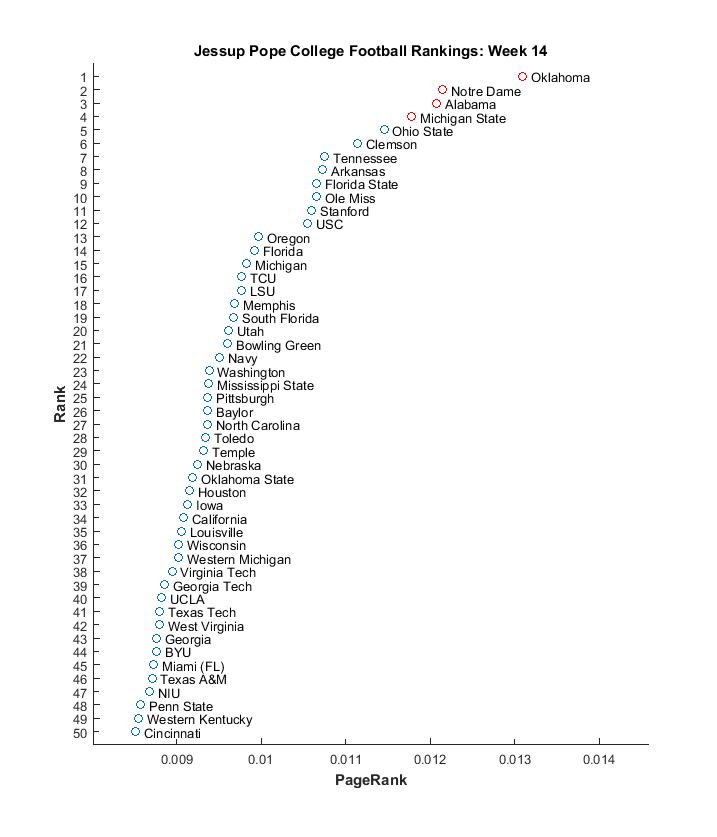
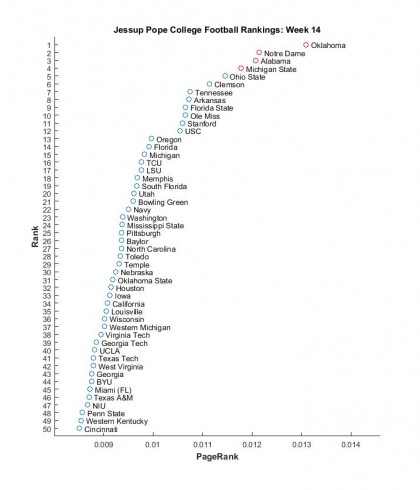
Oklahoma, Notre Dame, Alabama, and Michigan State remain our top 4 for week 14. Ohio State’s decisive win over Michigan (#15) suggests a team that has re-awakened and moves them to 5th, bumping Clemson to 6th. Other notable teams are Iowa, up to #33 from #37 last week and Tennessee holding steady at #7. (See our first post for a brief explanation of our methodology.)
How to measure success
One of the things I teach is how to measure the quality of predictions. What good are predictions if they are no better than chance or no better than existing systems? After four weeks of college football playoff (CFP) rankings there have been 82 games involving ranked teams. After adjusting for the 4.5 point home field advantage, the CFP rankings have correctly predicted the winner 67% percent of the time, definitely better than chance (p < .002). Our JP rankings have been even better, correctly predicted the winner in 74% of those games. Most of the time our systems predict identical outcomes yet there have been 12 games in which they differed. In those 12 games, our system was correct 75% of the time, or 3 times more accurate than the CFP! Hence, I am not really concerned when our rankings look dramatically different from those of the CFP.
Though I am writing this before the CFP rankings are posted, it is likely that there will be only one game where the systems predict different winners: our system predicts Michigan State will win the Big 10 championship whereas the CFP will likely predict that Iowa will win, so that will be one game to watch.
But why is it so weird?
I want to briefly address three issues here: why is Notre Dame still #2 after their loss, why is Iowa so low and why is Tennessee so high? Notre Dame lost by less than the 4.5 point home field advantage to a very good Stanford team (#11) on the road, effectively making it a narrow win against a good team. Iowa is a 12-0 team that has had maybe one (vs. #55 Northwestern) or two (vs. #30 Nebraska) good wins. In contrast, Tennessee is 8-4 with large wins over decent opponents and four narrow losses to OU (#1), Alabama (#3), Arkansas (#8), and Florida (#14). So which is better: to defeat many lousy teams and remain undefeated or to have tight matches against very strong opponents? Our system says the latter.
Rankings are less informative than PageRanks
Lastly, as Dr. Don Pope previously demonstrated, not only do we have ordinal rankings, we can also simultaneously display the actual PageRank values that underlie the rankings. The dot plot displays these values on the horizontal axis. Interestingly, #1 Oklahoma is further from 2nd ranked Notre Dame than Oregon (#13) is from Louisville (#35), whereas teams 23 (Washington) through 29 (Temple) have virtually identical PageRanks even though there are 5 teams between them. So the rankings carry less information than the values that produce them.
by M. C. Jennings | Nov 24, 2015 | Academics, COBA Faculty, Current Students, Research, Uncategorized
Now that week 12 is in the record books, the College Football Playoff (CFP) selection committee will meet today and update their rankings which are a big deal because, when the smoke clears at the end of the college season, the top 4 ranked teams will play in the playoff bowl games to determine the overall number one team. Teams 5,6,… are left to play in such memorable bowl games as the Tidy Bowl.
So, I am sitting here by the phone, waiting for the CFP committee to call for advice. You see, over the last 3 weekends, the Jessup Pope (JP) ranking system has predicted 75% correctly for games involving top 25 teams, while predictions based on the weekly CFP rankings only got 66% correct.
Just in case you are wondering, our top 4 are now Oklahoma, Notre Dame, Alabama, and Michigan State. Clemson and Arkansas are the next 2 teams “on the bubble” of making it in. Our JP rankings continue to be less impressed with our regional favorites TCU, Baylor, and Okie State.
Surely the phone will ring any minute now….
by M. C. Jennings | Nov 23, 2015 | Academics, Careers In..., COBA Faculty, Current Students, Human Resource Management, Uncategorized
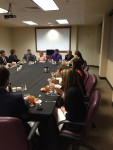
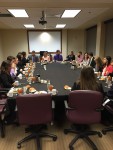
Every year, Dr. Malcolm Coco holds a business and dining etiquette dinner for students in his MGMT 373: Employee Planning, Recruitment & Selection class. This year, he held the dinner on Tuesday, Nov. 17th.
Throughout the course, students are taught the importance during the recruitment, interviewing, and selection process for filling jobs, and that personal appearance, non-verbal communication, and dining and business etiquette are very important to employers. Any one of these can disqualify you as a job candidate or make you a winner. After class instruction on all of these subjects along with a research assignment, the students have the opportunity to actually practice what they have learned with their classmates during a formal dinner and simulated meeting environment.
The dinner is the culmination of Dr. Coco’s planning, recruitment, and selection class. Students receive formal invitations and must RSVP to attend the dinner. Jennifer Ellison, ACU’s Director of University Events, partners with Dr. Coco in classroom instruction and constructive criticism during the event to give feedback and instruction to the students. A very elegant, five course meal is served and the students practice their dining manners and protocol. This has always been a highlight of the course. Unfortunately, in society today, proper manners and dining etiquette has become a lost art, but not so with hiring managers. Good manners and dining decorum can be the tie breaker during the interview process and cinch the job you really want.