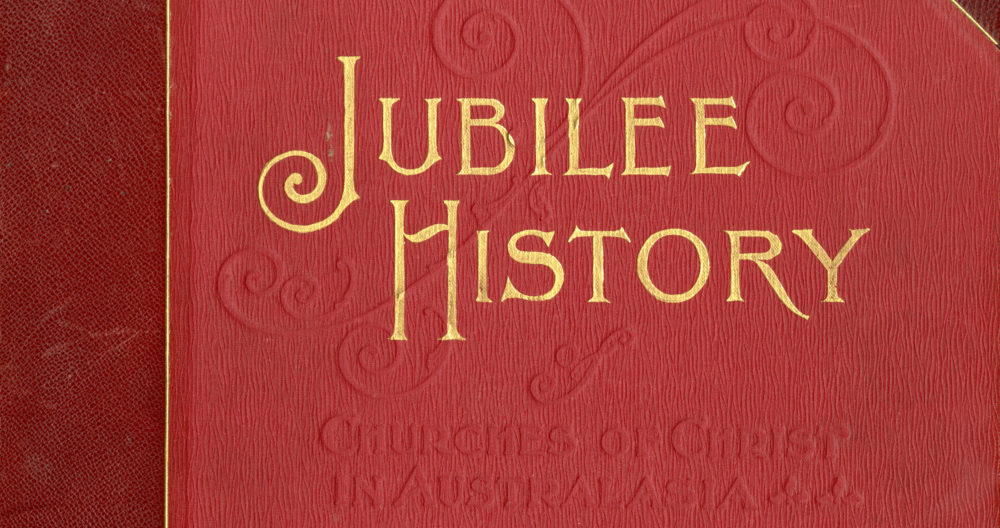
In June our colleagues in Technical Services and Cataloging added 493 items to the Center for Restoration Studies collections and one new item to the Taylor Hymnal Collection. Ten of the new catalog records are for just-processed manuscripts collections. Some of the additions are newly published, others are new-to-us, and still others represent a second copy or a new-to-us edition or printing. You’ll notice this is another month of significant additions. For the past few months our student workers and I worked through a backlog of gift books. At about the same time Technical Services had some additional availability after closing out a few projects of their own. And, with the academic and fiscal year winding down, book purchasing for the circulating collection paused. All that means some additional time became available to tackle our backlog of donated books. Even with 2000+ items now shelved since April, we still have a full queue that will last us through the summer. The short version is the quality and scope of the collection will grow in some significant areas over the summer. Book-buying for circulating collection will ramp up again and we will soon be busy downstairs with classes, so this high-volume of processing through print materials will slow down some as we head into the fall semester. But, what a spring and summer it has been! We remain grateful for the many donors whose generosity is building the collection in significant ways.
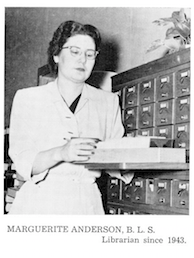
Abilene Christian College. Prickly Pear, Yearbook of Abilene Christian College, 1952, yearbook, 1952; Abilene, Texas. University of North Texas Libraries, The Portal to Texas History, https://texashistory.unt.edu; crediting Abilene Christian University Library.
Our goal is to build a comprehensive research-level collection of print materials by, for, and about the Stone-Campbell Restoration Movement. But beyond assembly and preservation, a collection should be discoverable by those who need the information. Collecting and preserving is only part of our task; those objects must be described and made available. Thanks to the close and careful work of our colleagues upstairs, who describe our holdings, these materials are now discoverable. By discoverable I mean a patron can utilize our online catalog (such as by searching by author, or title, or subject) to find these materials.
493 new items…cataloged, shelved, and ready for research: Continue reading