Aaron Wesley Dicus lecture flyer, ca. 1930s-1940s

ACU_DicusAarnWesley_meetingflyer_loanfromErmaJeanLovelandLast week Milliken Special Collections Archivist Emerita Erma Jean Loveland dropped by to donate a few items for our collection.  She loaned this wonderful flyer advertising a series of “historical lecture[s] on religious subjects” by Aaron Wesley Dicus.

Dicus taught at Tennessee Polytechnic (now Tennessee Tech) from 1930 to 1950.  Though undated, it very likely dates to 1935 or 1940 (possibly as late as 1946) since only these years had a ‘Sunday morn.’ to fall on July 28th.

If you are interested in how scholars from Churches of Christ engaged the sciences, then Dicus should prove to be a good subject for your work.

A quick check of our catalog reveals we hold these titles by Aaron Wesley Dicus, Ph.D.:

Sermon outlines and Bible lessons : parts one, two, and three

Church Leadership

While we are talking about Aaron Wesley Dicus, we should note that he penned the song ‘Our God, He Is Alive’ in 1966.  ‘Our God, He Is Alive’ is perhaps best known by its number (728b) in Alton Howard’s hymnal Songs of the Church.  The automobile turn signal is the most notable among Dicus’ several inventions.

For further reading:

Irvin Himmel, “Aaron W. Dicus (1888-1978),” Truth Magazine XXII: 43, November 2, 1978 pp. 697-698.

David Cain’s Song Scoops blog

Find-A-Grave for A. W. Dicus
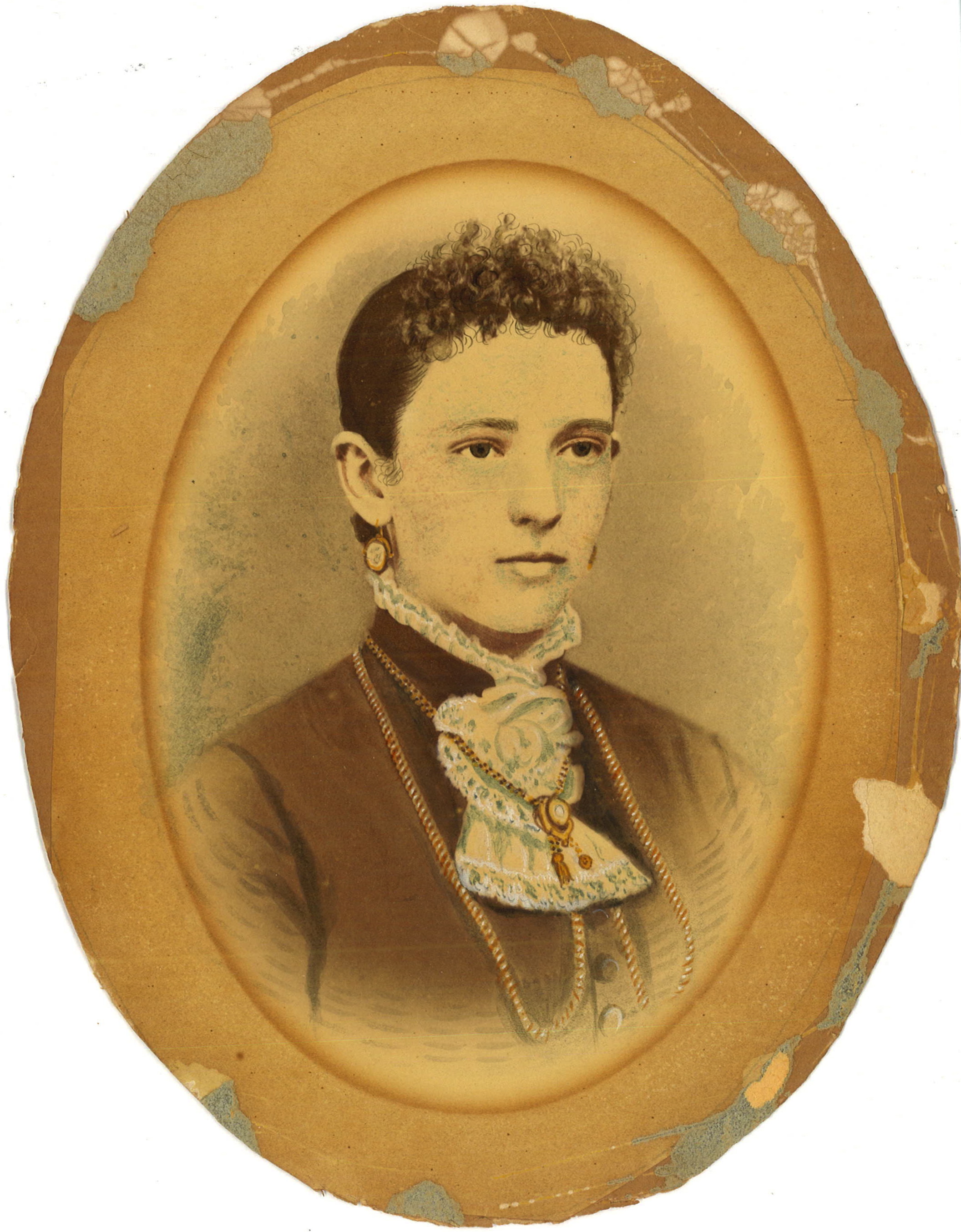
#tbt from ACU Special Collections: Cammie McKeever Lawrence, ca. late 1880s

This hand-colored and embellished late 19th century image of Cammie McKeever Lawrence was donated to Center for Restoration Studies in 1992.  Cammie was a  great-niece of Alexander Campbell.  The McKeever family was active in the earliest educational efforts of the Campbell reform movement.  Here is Cammie’s page on Find-A-Grave.

ACU_CammieMcKeeverLawrence_front


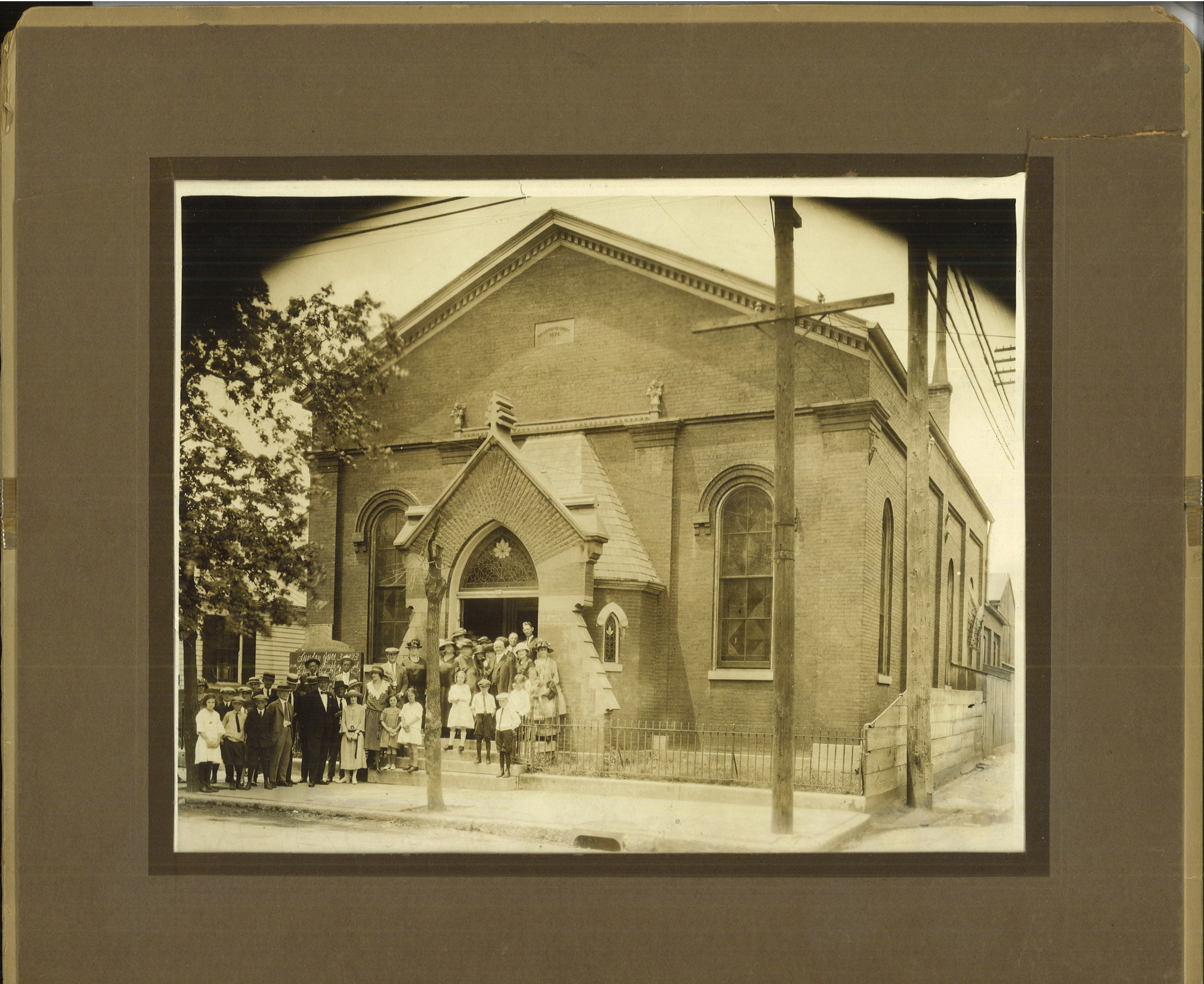
Campbell Street Church of Christ, Louisville, KY, 1923

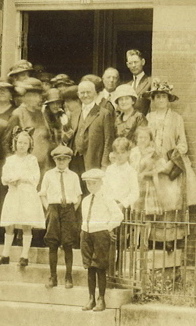
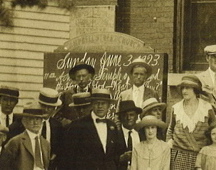
Pictured here is the meetinghouse and congregation of Campbell Street Church of Christ, Louisville, KY, on 3 June 1923, the last Sunday before the congregation moved to a new facility on Haldeman Avenue. Standing on the steps holding his Bible is longtime Campbell Street minister Marshall Clement Kurfees. Though an able author and editor, Kurfees preached for Campbell Street and Haldeman Avenue churches for over 45 years, among the longer tenures in Stone-Campbell congregations.  I’ve cropped and enlarged three portions of this large (over 8 x 10) photograph.  One shows Kurfees amid the congregants standing on the front steps; another shows the church sign on the front yard and the third shows the stone sign high up on the front facade.

This image reveals one way the Campbell Street Church advertised itself to passersby on Campbell Street: by use of a large blackboard indicating times of services and titles of Kurfees’ sermons.  Striving against sectarian tendencies, the congregation used as their name simply Campbell Street Church (and later Haldeman Avenue Church).  The stone inset into the brick facade reads ‘The Church of Christ, 1876.’

According to the donor, this building stood until about 1996.

ACU_CampbellStreetChurchofChristLouisville

ACU_CampbellStreetChurchofChristLouisville_Kurfees

ACU_CampbellStreetChurchofChristLouisville_sign

ACU_CampbellStreetChurchofChristLouisville_name


Do you have additional items from Campbell Street or Haldeman Avenue churches, such as bulletins, directories, membership rosters or other photographs?  Do you have anything from M. C. Kurfees?  If you would like to discuss how Center for Restoration Studies preserves rare items such as this photograph, or how we support teaching and study in Stone-Campbell history, please contact me at mxi13a@acu.edu.